
Procuring research compounds in the Gulf region presents distinct logistical challenges, particularly when securing thermally sensitive materials. For laboratory teams and informed researchers looking to buy SS-31 Qatar, the process involves far more than simply finding an online supplier. Buyers must navigate the strict regulatory frameworks of the Al Nadeeb customs system, combat extreme summer temperatures that frequently exceed 45°C in Doha, and verify the integrity of the compound before purchase. Understanding these variables ensures that procurement budgets are protected and research outcomes are based on uncompromised materials.
Quick Answer: How to Buy SS-31 Qatar Securely
To successfully buy SS-31 Qatar, researchers must prioritize lyophilised formulations that survive GCC summer heat during transit. Reliable procurement requires suppliers offering pre-purchase Janoshik COAs, precise research-use documentation to navigate Al Nadeeb customs regulations, and accessible regional payment methods like Cash on Delivery.
Navigating Qatar Customs and the Al Nadeeb System
As of 2024, shipping peptides across borders into Doha involves strict oversight by the Qatar Ministry of Public Health (MoPH) through the Al Nadeeb customs declaration system. When shipments arrive, border agents scrutinise the documentation, labelling, and physical format of the compounds.
Liquid formulations, unlabelled vials, and pre-filled pens carry a notoriously high risk of seizure or prolonged delays at the border. These formats are frequently interpreted as consumer medical products, triggering demands for local medical licenses or immediate confiscation. Consequently, several international competitors explicitly exclude Qatar from their shipping zones, leaving local researchers with limited reliable options.
To ensure smooth transit, informed buyers must select suppliers who strictly adhere to “Research Use Only” (RUO) compliance. Compounds must be supplied as lyophilised (freeze-dried) powder in sealed vials, accompanied by precise documentation that clearly identifies the product for laboratory application. Reputable regional suppliers, such as NOVA Labs, maintain reliable cross-border transit to Doha by ensuring all shipments meet the formatting and documentary standards expected by regional customs authorities.
Protecting Peptide Integrity in GCC Summer Heat
SS-31, also known as Elamipretide, is an aromatic-cationic sequence studied in research settings for its unique interaction with mitochondrial cardiolipin. Because of its specific molecular structure, the compound is highly vulnerable to degradation when exposed to extreme thermal stress.
During the GCC summer, transit vehicles and distribution hubs can reach temperatures that rapidly degrade sensitive peptide bonds. Liquid formulations are particularly unstable under these conditions, rendering them practically useless by the time they reach a laboratory in Doha after a multi-day international transit.
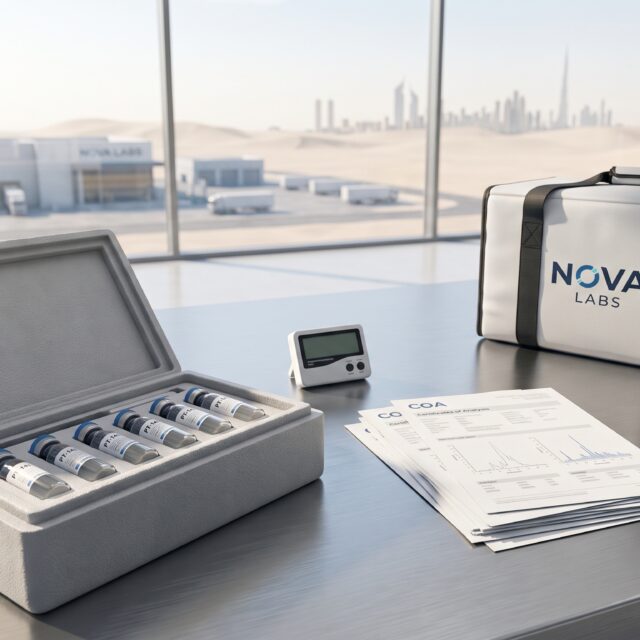
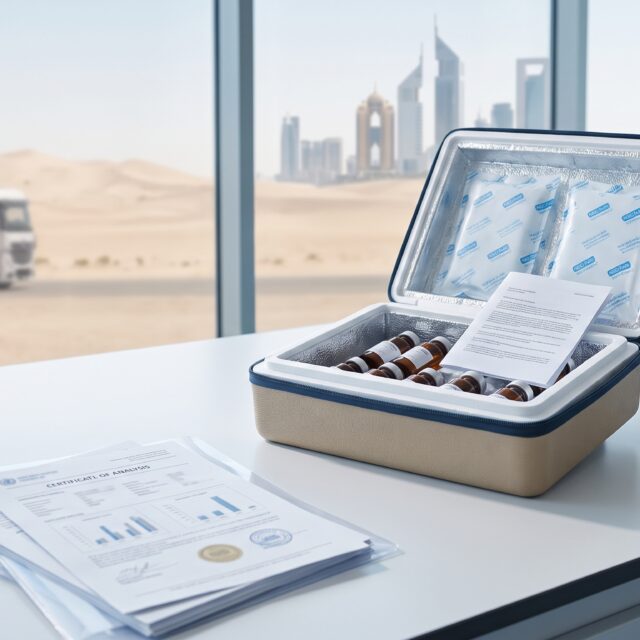
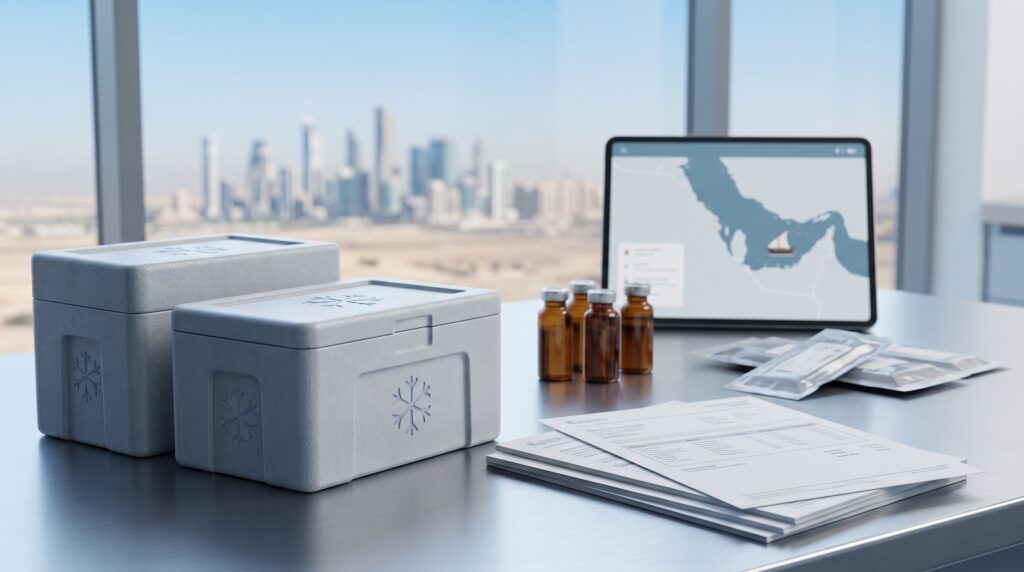
Lyophilisation is the non-negotiable standard for regional peptide procurement. By removing the moisture from the compound and sealing it under a vacuum, the peptide’s structural integrity is preserved. A properly lyophilised peptide order can withstand the 4-to-5-day trans-border transit from the UAE to Qatar without suffering meaningful degradation. However, buyers should still expect their supplier to utilise temperature-controlled, vacuum-insulated packaging to further mitigate thermal spikes during local last-mile delivery.
How to Verify the COA for SS-31
A critical step when evaluating a supplier is the verification of the Certificate of Analysis (COA). Unfortunately, the research compound market is saturated with vendors who either provide outdated, generic test results or hide their testing data behind post-purchase scratch codes. This forces the buyer to commit financially before confirming the purity of the batch.
Transparent suppliers operate differently. Before you finalize an order, you should be able to view an independent, third-party COA from a reputable analytical laboratory, such as Janoshik.
When reviewing the COA, researchers should check for three essential elements:
- Batch Specificity: The document must align with the current batch being sold, not a historical test from months or years prior.
- Purity Percentage: High-quality research demands a purity level exceeding 98%. Lower purities introduce variables that can compromise experimental data.
- Independent Verification: The COA should feature a verifiable tracking number or blockchain ledger entry, allowing the buyer to independently confirm the document’s authenticity directly with the testing facility.
Quality-focused vendors—including NOVA Labs—provide upfront access to third-party tested COAs, ensuring that laboratory teams in Doha can verify the precise purity of their compounds before initiating a procurement order.
Logistics, Payments, and Local Support in Doha
Even when purity and customs compliance are assured, the actual transaction and delivery process can introduce unnecessary friction. International bank transfers can be slow and heavily scrutinised, while some foreign credit card processors flag cross-border transactions for research compounds.
For a seamless experience, buyers should look for suppliers that offer localised solutions. Vendors operating specifically within the GCC address these pain points by offering flexible payment options tailored to the regional market. Beyond standard Visa, Mastercard, and major cryptocurrencies (BTC, ETH, SOL), researchers in Doha can utilise Cash on Delivery (COD). This localized approach entirely eliminates the financial risk for the buyer, allowing them to inspect the packaging and confirm delivery before releasing payment.
Furthermore, responsive support is crucial when coordinating trans-border shipments. Dedicated WhatsApp support ensures that researchers can track their parcels in real time and communicate directly with the logistics team if any final-mile delivery instructions need to be updated. For buyers interested in understanding the full scope of regional dispatch protocols, reviewing the UAE and GCC delivery guidelines offers valuable insight into how cold-chain integrity is maintained from the warehouse to the laboratory.
Bottom Line: A Sourcing Checklist for Qatar
Sourcing high-quality research compounds in Doha requires a pragmatic, compliance-first approach. When evaluating your next procurement source, use this checklist to ensure the integrity of your order:
- Format: Demand lyophilised powder exclusively. Liquid pens will degrade in the heat and risk customs seizure.
- Customs Readiness: Verify the supplier has a track record of successful delivery through the Al Nadeeb system using accurate RUO documentation.
- Transparency: Never purchase without reviewing a pre-sale, verifiable third-party COA from a recognized analytical lab like Janoshik.
- Payment Security: Opt for suppliers offering Cash on Delivery or secure crypto/card gateways to minimise transaction friction.
By insisting on these standards, researchers protect their budgets and ensure the reliability of their mitochondrial studies. If your laboratory is ready to source verified, highly stable aromatic-cationic sequences, you can explore the independent testing data and secure your supply directly on the NOVA Labs SS-31 product page.
Disclaimer: The products mentioned in this article are for research purposes only and are not intended for human consumption.
References
- NOVA Labs Internal Data (2024). UAE Peptide Supplier COA and Cold-Chain Audit.
- NOVA Labs Internal Data (2024). Qatar Cold Chain Peptide Delivery: Packaging & Logistics.
- Ministry of Public Health (MoPH), Qatar. Al Nadeeb Customs Declaration Guidelines.
- Shipping Policy – NOVA Labs
- Nova Labs Review 2026: UAE Peptide Supplier COA and Cold-Chain Audit
- Qatar Cold Chain Peptide Delivery: Packaging & Logistics – NOVA Labs
- Nova Biolabs vs Peptide Lab: Qatar Buyer Comparison (2026)
- Nova Biolabs vs peptideuae.shop Qatar: 2026 Supplier
- Shipping Policy – Pure Peptides
Frequently asked questions
Why is lyophilised SS-31 preferred over liquid pens in Qatar?
Lyophilised (freeze-dried) SS-31 is structurally stable and can withstand extreme GCC summer heat during transit. Liquid formulations degrade rapidly in high temperatures and face a much higher risk of seizure at Qatar customs.
Can I use Cash on Delivery to order SS-31 in Doha?
Yes, select regional suppliers operating in the GCC offer Cash on Delivery (COD) in Qatar, allowing researchers to inspect the delivery package before completing payment.
How do I verify the purity of SS-31 before purchasing?
Always request a pre-purchase Certificate of Analysis (COA) from an independent, third-party laboratory like Janoshik. Ensure the document includes a verifiable tracking number to confirm the purity percentage directly with the testing lab.
Will my peptide order clear Al Nadeeb customs in Qatar?
Shipments containing lyophilised powders clearly labelled for 'Research Use Only' with correct documentation generally clear customs efficiently, whereas unlabelled vials or liquid consumer formats frequently face delays or seizure.
Nova Labs buyer tools
Ready to verify stock, testing and delivery?
Use the product page and lab report section to check availability, documentation, delivery timing and support before placing an order.
- COA / test-report checks
- Qatar delivery context
- Cold-chain handling
- COD and card payment options
- WhatsApp support