
How to Buy Thymosin Alpha-1 in the UAE
To successfully buy Thymosin Alpha-1 in the UAE, researchers must select domestic suppliers offering verified batch-specific COAs, utilize cold-chain shipping to prevent heat degradation, and guarantee rapid local delivery. Purchasing domestically minimizes customs seizure risks while ensuring the peptide’s structural integrity remains fully intact.
For procurement specialists operating in the Gulf Cooperation Council (GCC), securing high-quality biological compounds is a logistical challenge. When sourcing the 28-amino acid sequence TA-1, the landscape has shifted from risky overseas imports toward domestic, specialized vendors who understand local compliance and temperature-controlled logistics.
As the Emirates rapidly expand their research infrastructure, informed buyers know that evaluating a peptide supplier requires more than just checking prices. True procurement confidence comes from verifying domestic stock availability, ensuring rigorous analytical testing, and confirming the vendor has the operational capacity to navigate the UAE’s intense climate.
Buyer Checklist: What Matters Most Before You Order
If you are evaluating a Thymosin Alpha-1 supplier, use this quick diagnostic checklist before initiating a purchase:
- Domestic Stock Availability: Does the supplier ship from within the UAE, or are they drop-shipping from overseas, exposing your order to customs friction?
- Comprehensive Documentation: Is there a batch-specific Certificate of Analysis (COA) visible before purchase?
- Dual-Method Verification: Does the lab report include both High-Performance Liquid Chromatography (HPLC) for purity and Liquid Chromatography-Mass Spectrometry (LC-MS) for identity?
- Climate-Controlled Logistics: Does the vendor explicitly state their protocols for cold-chain shipping in the intense GCC heat?
- Clear Communication & Support: Can you reach a local representative via WhatsApp or direct line to confirm stock, delivery windows, and payment processing?
Navigating the UAE’s Evolving Peptide Regulations
The regulatory landscape governing laboratory chemicals in the United Arab Emirates is stringent and actively enforced. Under recent frameworks, the Emirates Drug Establishment (EDE) and the Ministry of Health and Prevention (MOHAP) strictly monitor the importation and distribution of biological products.
For independent researchers, the days of importing unverified research compounds through standard international mail are effectively over. Recent enforcement actions underscore a critical reality: individual importation carries an incredibly high risk of interception, seizure, and potential legal friction at customs.
Partnering with a specialized domestic supplier ensures operations remain fully within compliance, with products clearly delineated for laboratory research. By sourcing domestically, the burden of international customs clearance is entirely removed from your shoulders.
Deconstructing the COA: HPLC vs. LC-MS Testing
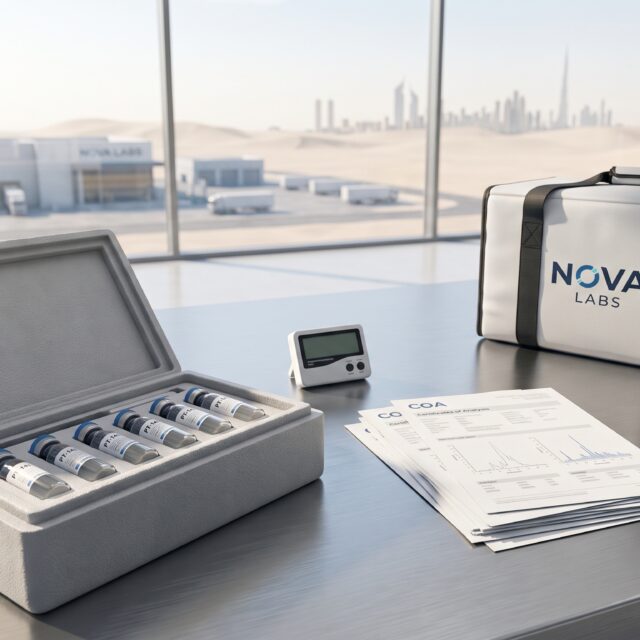
A professional laboratory supplier will always provide a Certificate of Analysis (COA). When evaluating a supplier, understanding how to demand proper analytical testing is your primary defense against degraded or misrepresented compounds.
HPLC: The Purity Standard
High-Performance Liquid Chromatography (HPLC) is the industry standard for determining the purity of a lyophilized peptide powder. For research-grade Thymosin Alpha-1, buyers must insist on HPLC documentation demonstrating a minimum purity of 99%.
LC-MS: The Identity Confirmation
While HPLC tells you how pure a substance is, Liquid Chromatography-Mass Spectrometry (LC-MS) determines the precise molecular weight and verifies the exact amino acid sequence. Because Thymosin Alpha-1 has a specific 28-amino acid chain, LC-MS is the only way to be absolutely certain you have received the correct, fully intact peptide sequence.
The Critical Role of GCC Cold-Chain Shipping
The physical environment of the GCC poses a unique threat to biological research compounds. The intense heat of Dubai, Abu Dhabi, and surrounding regions can rapidly degrade lyophilized sequences, leading to irreversible loss of efficacy before the vial ever reaches the laboratory bench.
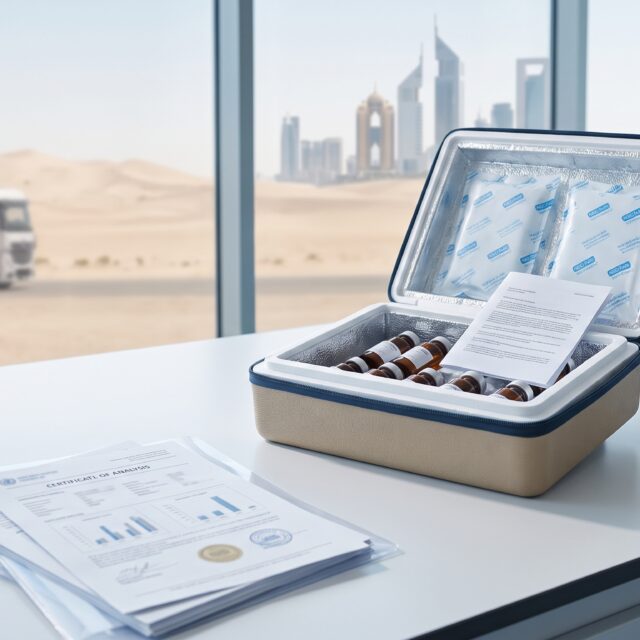
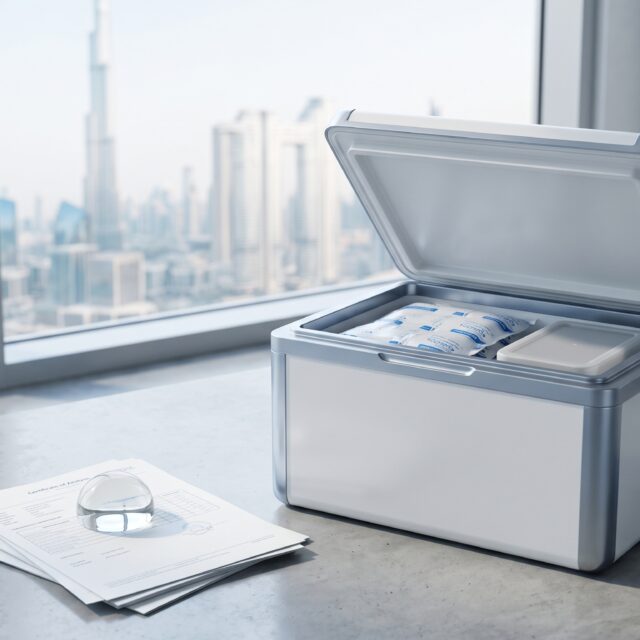
Standard courier shipping is insufficient. Top-tier vendors mitigate thermal degradation risks by utilizing continuous temperature-controlled logistics. This involves packaging vials in specialized thermal insulation accompanied by advanced cold packs that maintain a stable microclimate throughout transit.
Buyers should rely on specialized peptides UAE next day delivery services across all seven Emirates, with same-day dispatch options frequently available within Dubai city limits.
Streamlined Payment and Local Support
Global financial infrastructure often places broad restrictions on standard credit card processing for research-grade chemical suppliers. Within the UAE, the industry standard has rapidly shifted toward secure alternative payment methods, primarily direct bank transfers coupled with instant messaging support.
Reputable vendors offer a frictionless checkout experience where the buyer receives personalized payment instructions and order verification via WhatsApp. Having access to a local support agent who can instantly confirm domestic stock levels, provide COA files, and track your cold-chain shipment adds a crucial layer of accountability.
Bottom Line on Procurement
Sourcing high-quality research materials in the GCC requires due diligence and a commitment to rigorous analytical standards. When preparing to order, prioritize suppliers who hold domestic stock, provide transparent dual-method COAs, and utilize strict cold-chain logistics.
Ready to secure premium, lab-tested compounds for your next project? View the full specifications, verify the batch analytics, and buy Thymosin Alpha-1 directly from NOVA Labs today for secure, climate-controlled local delivery.
Disclaimer: The products mentioned in this article are for in-vitro laboratory research purposes only and are not intended for human consumption or therapeutic use.
References
- Emirates Drug Establishment (EDE) guidelines on pharmaceutical and biological imports.
- “UAE Cracks Down on Unapproved Peptide Imports.” Gulf News, recent regulatory enforcement reporting.
- “HPLC vs LC-MS for Peptide Purity Testing: Why Identity Confirmation Matters.” Analytical Laboratory Insights.
- “Cold-Chain Shipping and Import Documentation for Research Peptides.” Peak Labs Review.
- UAE Cracks Down on Unapproved Peptide Weight-Loss Drugs: 71 Sources and 14 Influencers Face Action – Gulf News
- Importing Pharmaceuticals and Medical Devices to the UAE: A Comprehensive Guide
- Peptide Import & Registration UAE | Licensed Pathway – Pharmareg
- Cold-Chain Shipping and Import Documentation for Research Peptides in – Peak Labs
- HPLC vs LC-MS for Peptide Purity Testing: Why Identity Confirmation Matters
- Peptide Certificates of Analysis: How to Read and Verify a COA (2026 Guide) | Peptidepedia
Frequently asked questions
Is it legal to order Thymosin Alpha-1 in the UAE?
Yes, provided the compound is purchased and utilized strictly for laboratory research purposes. The Emirates Drug Establishment strictly regulates imports, making domestic sourcing from verified research suppliers the most compliant route to avoid customs friction.
Why do UAE peptide suppliers prefer bank transfers and WhatsApp?
Due to strict global processing rules on research chemicals, standard credit card gateways often restrict transactions. Bank transfers verified via WhatsApp provide a secure, reliable, and compliant payment method tailored to the local market while offering direct customer support.
Does Thymosin Alpha-1 require cold-chain shipping in Dubai?
Absolutely. The extreme heat of the GCC can rapidly degrade delicate peptide structures. Reliable domestic suppliers use temperature-controlled packaging with cold packs to ensure stability during transit.
What should I look for on a Thymosin Alpha-1 COA?
A rigorous Certificate of Analysis should include both HPLC results demonstrating at least 99% purity and LC-MS testing to confirm the exact molecular weight and amino acid sequence of the peptide.
How long does delivery take for research peptides in the UAE?
Domestic suppliers with local stock typically offer same-day delivery within Dubai and fast, next-day temperature-controlled shipping to the other six Emirates.
Nova Labs buyer tools
Ready to verify stock, testing and delivery?
Use the product page and lab report section to check availability, documentation, delivery timing and support before placing an order.
- COA / test-report checks
- UAE delivery context
- Cold-chain handling
- COD and card payment options
- WhatsApp support