



Procuring high-quality research compounds in the Gulf region presents a unique set of logistical and quality-control challenges. For researchers, procurement staff, and informed buyers evaluating the best peptide shop UAE, the decision extends far beyond simple pricing. The extreme temperatures of the GCC climate, stringent local regulatory frameworks, and a highly competitive online market mean that purchasing decisions must be grounded in verifiable data and robust supply-chain logistics.
Whether you are stocking an independent laboratory, maintaining an academic research facility, or conducting private in-vitro analysis, identifying a supplier capable of maintaining compound integrity from synthesis to final delivery is critical. A compromised compound yields compromised data. This comprehensive guide outlines exactly what procurement specialists should verify before placing an order, including third-party testing protocols, cold-chain handling, and regional delivery standards specific to the United Arab Emirates.
Finding the Best Peptide Shop UAE: Key Buyer Checks
Buyer Checklist: When evaluating the best peptide shop UAE, prioritize suppliers that provide verifiable third-party Janoshik COAs, exclusively stock stable lyophilized powder formats, and utilize active cold-chain logistics. Because the extreme GCC heat rapidly degrades compounds, strict temperature control and analytical purity reports are mandatory for successful procurement.
To ensure your research materials arrive intact and meet the required specifications, any trusted supplier should confidently pass a rigorous buyer audit. Before committing your procurement budget, verify the following five pillars of supplier quality:
- Verifiable Third-Party Testing: Access to batch-specific High-Performance Liquid Chromatography (HPLC) and Mass Spectrometry (MS) reports via an independent laboratory portal.
- Climate-Appropriate Formats: Compounds supplied strictly as lyophilized (freeze-dried) powder rather than highly unstable pre-mixed liquids.
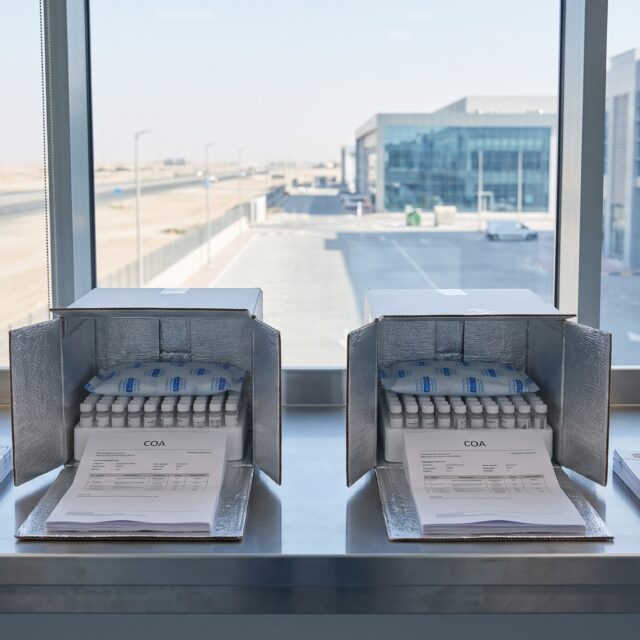
- Insulated Last-Mile Logistics: Proven cold-chain delivery mechanisms, utilizing EPS coolers and phase-change materials, to prevent thermal degradation during transit in Dubai, Sharjah, and Abu Dhabi.
- Localized Support and Payments: Transparent AED pricing, secure checkout processing, and rapid peer-to-peer reassurance via platforms like WhatsApp for time-sensitive logistics queries.
- Regulatory Transparency: Clear labeling of all products for Research Use Only (RUO), with strict adherence to the policy that no medical, therapeutic, or human-use claims are made.
Purity Verification: The Importance of Independent COAs
The most critical differentiator between an average distributor and a premium research supplier is the transparency of their analytical testing. High-Performance Liquid Chromatography (HPLC) and Mass Spectrometry (MS) are the definitive methods for confirming the identity and purity of a synthesized peptide sequence. HPLC separates the components of a sample to determine purity percentage, while MS measures the mass-to-charge ratio of ions to confirm the exact amino acid sequence identity.
However, in-house testing reports hold little weight in the modern research market due to the high risk of manipulation. A document generated on a supplier’s own letterhead cannot be trusted as an objective measure of quality. Top-tier regional suppliers rely exclusively on respected, independent third-party laboratories.
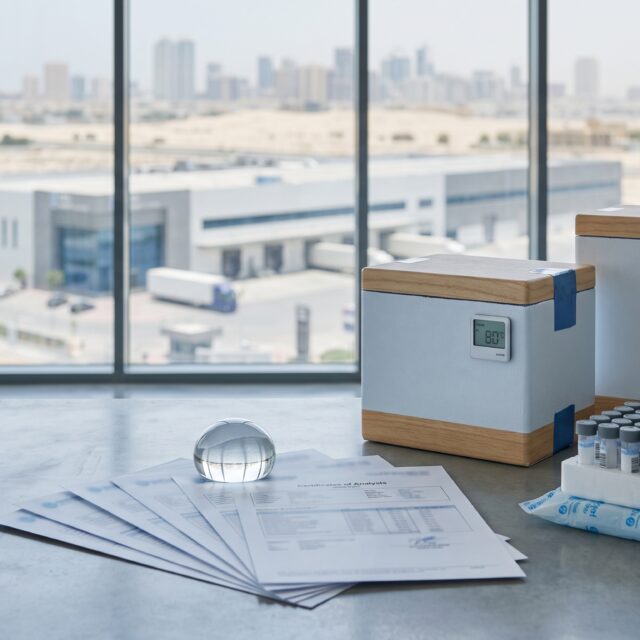
Janoshik Analytical, based in Czechia, has become the global gold standard for this independent verification process. A reputable UAE supplier will not only display a Janoshik Certificate of Analysis (COA) on their product page but will also provide the unique verification key. This allows researchers to log directly into the Janoshik portal and independently confirm that the report matches the specific batch they are purchasing.
When evaluating a supplier’s documentation, buyers should look for a minimum purity threshold of 99%. Any notable degradation peaks on the HPLC chromatogram or unexplained mass variances on the MS report indicate poor synthesis, inadequate purification, or improper storage prior to testing. Furthermore, ensure the COA is recent and matches the current inventory batch. If a supplier cannot produce a verifiable, batch-matched independent COA, they should be immediately disqualified from your procurement list.
Surviving the UAE Heat: Lyophilized Vials vs. Aqueous Liquids
The environmental realities of the United Arab Emirates dictate highly specific requirements for compound stability. The extreme summer temperatures in Dubai, Abu Dhabi, and the Northern Emirates can easily exceed 40°C (104°F). Under these conditions, the physical format of the research compound is paramount to its survival.
Many inexperienced buyers search for a supplier hoping to find pre-mixed, liquid peptide pens or vials for the sake of convenience. However, aqueous (liquid) peptides are highly vulnerable to both thermal and mechanical degradation. Water acts as a solvent that facilitates chemical breakdown. Without an unbroken, actively monitored cold chain from the laboratory bench to the final destination, liquid formats will rapidly degrade, breaking down the fragile amino acid chains and rendering the compound entirely useless for precise research.
Conversely, reputable suppliers exclusively distribute compounds in a lyophilized (freeze-dried) state. Lyophilization removes the water content under a vacuum, resulting in a stable powder puck that is significantly more resilient to temperature fluctuations and mechanical shock during shipping. While lyophilized vials still require proper handling—and eventual careful reconstitution with bacteriostatic water in a sterile laboratory setting—their inherent stability during transit makes them the only viable option for research procurement in the GCC.
Logistics and Cold-Chain: Delivering Without Degradation
Even with stable lyophilized compounds, transit conditions matter immensely. A supplier’s logistical infrastructure is often the most telling indicator of their operational quality and respect for the compounds they handle. Standard courier services typically transport packages in un-airconditioned vans, exposing sensitive chemical compounds to severe heat stress that can compromise even freeze-dried materials if prolonged.
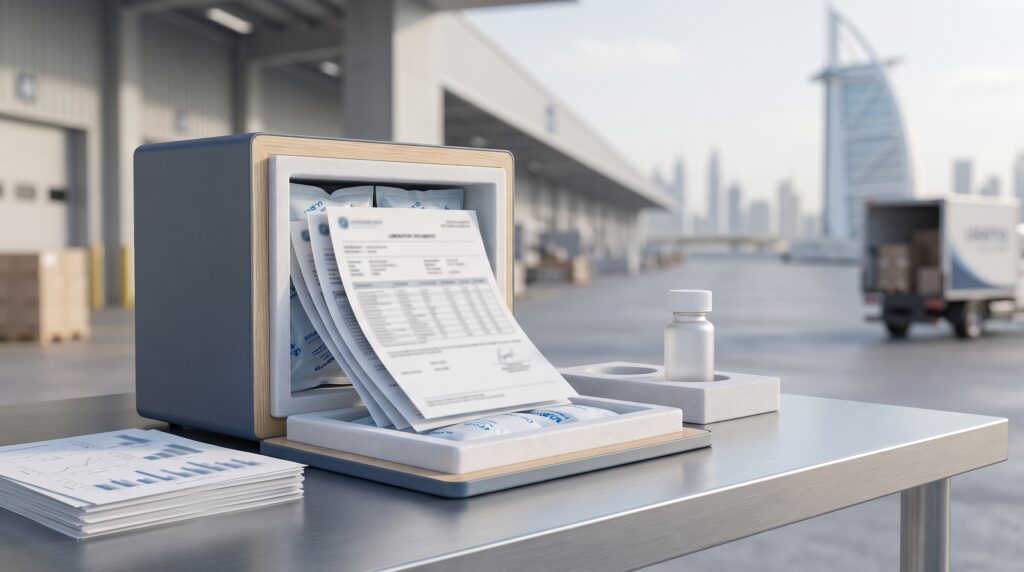
To combat this, leading suppliers utilize insulated packaging and active cooling protocols. This typically involves Expanded Polystyrene (EPS) insulated boxes and phase-change gel packs that maintain a stable micro-environment during the crucial last-mile delivery phase.
For researchers evaluating options, transit time is a major metric. NOVA Labs has established a localized benchmark by prioritizing specialized, temperature-controlled logistics tailored specifically for the UAE climate:
- Dubai and Sharjah: NOVA Labs offers cooled delivery within 1 business day for orders placed before the 6 PM daily cutoff. The standard delivery fee is AED 30, which is waived for orders over AED 400.
- Other Emirates: Deliveries to standard locations in Abu Dhabi, Ajman, Umm Al Quwain, Ras Al Khaimah, and Fujairah take 1 to 2 business days, carrying a standard fee of AED 60 (free on orders over AED 800).
It is also vital to understand regional limitations. Certain remote or Western regions within the UAE (such as Ruwais or deep desert facilities) require 2 to 3 working days for delivery and often cannot support continuous temperature-controlled transit options. Researchers located in these zones must plan their procurement schedules accordingly and rely heavily on the stability of lyophilized formats. To explore specific delivery windows and secure insulated handling, review the details for cooled next-day UAE delivery directly on our platform.
Navigating Legalities, Localized Support, and Procurement
Operating a trusted UAE peptide supplier requires strict adherence to regional legal frameworks. Research compounds are entirely legal for laboratory, analytical, and in-vitro procurement in the UAE, provided they are strictly designated for Research Use Only (RUO). These compounds are not registered, approved, or endorsed by local regulatory bodies such as the Ministry of Health and Prevention (MOHAP), the Dubai Health Authority (DHA), or the Department of Health (DoH) for human or veterinary consumption.
A credible supplier will never position these chemicals as medical treatments, nor will they provide instructions for clinical dosage or self-administration. This clear legal demarcation protects both the supplier and the research institution, ensuring compliance with local import and handling guidelines for laboratory reagents.
Beyond strict compliance, the actual purchasing experience must cater to the regional buyer. High-intent procurement traffic in the GCC expects seamless localized transactions. This includes viewing pricing and completing checkouts natively in United Arab Emirates Dirhams (AED) rather than relying on fluctuating international currency conversions or obscure payment gateways. Secure payment integrations that support major local credit cards are a baseline expectation.
Furthermore, customer support must be immediate and accessible. Because supply chain queries, stock checks, and COA verifications are time-sensitive for operating labs, top suppliers offer direct peer-to-peer reassurance via platforms like WhatsApp, alongside traditional email channels. This responsiveness provides peace of mind that a knowledgeable, locally aware team is actively managing your cold-chain shipment.
Conclusion: Making an Informed Supplier Choice
Identifying the best peptide shop UAE requires a critical evaluation of testing transparency, compound format, and localized logistics. By demanding third-party Janoshik COAs with minimum 99% purities, insisting on stable lyophilized powders over fragile liquids, and utilizing insulated, rapid delivery services, researchers can effectively mitigate the risks associated with procuring sensitive compounds in the Gulf climate.
NOVA Labs remains committed to supporting the UAE research community by providing verified compound purity, specialized cold-chain logistics, and highly responsive local support. When your laboratory protocols demand precise, stable materials, ensure your supplier meets every point on the procurement checklist.
Ready to secure verified, high-purity compounds for your next analytical project? Shop our complete catalog of research compounds to view batch-specific documentation and schedule your next-day UAE delivery.
Disclaimer: The products mentioned in this article are strictly for research and laboratory purposes only. They are not intended for human consumption, diagnostic use, or clinical treatment.
References
- Janoshik Analytical. (2024). Analytical Testing Standards for Synthetic Peptides and Research Reagents. Janoshik Verification Portal.
- UAE Ministry of Health and Prevention (MOHAP). Guidelines on the Import and Handling of Laboratory Reagents and Chemical Compounds.
- World Health Organization (WHO). (2015). Temperature and storage monitoring for pharmaceuticals and chemical reagents in hot climates.
- NOVA Labs Internal Delivery Metrics. (2024). UAE Cold-Chain Logistics, Courier Transit Protocols, and EPS Insulated Packaging Standards.
Disclaimer: The products mentioned in this article are for research purposes only and are not intended for human consumption.
- Nova Labs Review 2026: UAE Peptide Supplier COA and Cold-Chain Audit
- Nova Biolabs vs Peptides Lab UAE: Abu Dhabi Buyer Comparison
- Nova Biolabs vs Propeptide: UAE Buyer Comparison (2026)
- SHLabz vs Peptide Suppliers UAE
- Shipping Policy – NOVA Labs
- Nova BioLabs vs SHLABZ: UAE research-supplier comparison
- Nova Biolabs vs Peptides Lab UAE: 2026 GCC Buyer Comparison
Frequently asked questions
What should I look for in the best peptide shop UAE?
You should prioritize suppliers that provide verifiable third-party HPLC and Mass Spectrometry testing (like Janoshik COAs), offer stable lyophilized powder formats, and utilize temperature-controlled cold-chain delivery to protect compounds in the UAE heat.
Why are lyophilized peptides better than liquids in Dubai?
Lyophilized (freeze-dried) compounds are significantly more stable during transit and storage. Pre-mixed liquid formats degrade rapidly when exposed to mechanical shock and the high summer temperatures typical of Dubai and the broader GCC.
How fast is delivery for research compounds in the UAE?
Top suppliers like NOVA Labs offer 1-business-day cooled delivery across Dubai and Sharjah for orders placed before 6 PM. Deliveries to other Emirates typically take 1 to 2 days, while remote regions may take up to 3 days.
Are research peptides legal to buy in the UAE?
Yes, they are legal to purchase for scientific, laboratory, and in-vitro applications. However, they are strictly classified as 'Research Use Only' (RUO) and are not approved by MOHAP or DHA for human consumption or medical use.
How can I verify a supplier's COA is authentic?
Reputable UAE suppliers use independent testing facilities like Janoshik Analytical. You can verify the report by entering the unique verification key provided on the COA directly into the independent laboratory's verification portal to ensure it matches your specific batch.
Nova Labs buyer tools
Ready to verify stock, testing and delivery?
Use the product page and lab report section to check availability, documentation, delivery timing and support before placing an order.
- COA / test-report checks
- UAE delivery context
- Cold-chain handling
- COD and card payment options
- WhatsApp support