

How to Buy KPV in Bahrain: Sourcing Challenges and Solutions
For procurement staff and laboratory investigators seeking to buy KPV in Bahrain, the search process can initially yield confusing results—often overlapping with local automotive retailers sharing the same acronym. However, for the scientific community, KPV refers to a highly stable, non-immunosuppressive tripeptide (Lys-Pro-Val) that has become a major focal point in gastrointestinal and dermatological research. Sourcing this specific, high-purity compound in the GCC requires navigating complex import regulations, severe climate challenges, and rigorous supplier verification protocols.
Quick answer: To buy KPV in Bahrain securely, researchers must source from a GCC-based vendor providing a batch-specific Certificate of Analysis (COA) proving at least 99% purity. Bypassing international customs friction through localized distribution ensures your KPV peptide arrives quickly, avoiding thermal degradation during transit.
What is KPV Peptide? Understanding the Science
KPV is a naturally occurring tripeptide composed of three sequential amino acids: Lysine (Lys), Proline (Pro), and Valine (Val). It is the C-terminal sequence derived from alpha-melanocyte-stimulating hormone (alpha-MSH). In clinical research environments, KPV is heavily studied for its unique ability to modulate chronic inflammatory pathways without triggering the broad immunosuppressive side effects typically associated with traditional corticosteroid treatments.
Unlike larger peptide chains, KPV’s extremely small molecular weight (approximately 383.5 g/mol) allows for versatile experimental applications. It exerts its primary effects intracellularly, crossing cell membranes to interact directly with inflammatory signaling molecules. Research indicates that KPV downregulates the activation of NF-kB (Nuclear Factor kappa B), which subsequently reduces the expression of pro-inflammatory cytokines such as TNF-alpha and IL-6.
Laboratory Applications and Research Focus Areas
Investigators utilizing KPV in Bahrain and the wider GCC generally focus on two primary biological models:
- Gastrointestinal Inflammation Models: Researchers investigating inflammatory bowel disease (IBD) models study KPV due to its unique transport mechanisms. Scientific literature shows that localized applications of KPV are effectively transported via the PepT1 oligopeptide transporter in the intestinal tract. This makes it an invaluable compound for in-vitro cellular assays modeling gut mucosal healing.
- Dermatological and Wound Healing Studies: Systemic or localized administration in animal models is frequently utilized in dermatological research focusing on skin barrier repair, psoriasis, and minimizing hypertrophic scarring. Its antimicrobial and anti-inflammatory properties are of high interest to cosmetic and medical dermatology research.
Evaluating a KPV Supplier in Bahrain: A Comprehensive Buyer’s Checklist
Procuring high-quality research peptides in the Gulf region requires extra diligence. The market frequently includes international vendors who lack insight into regional regulations or fail to provide transparent documentation. When preparing to order KPV in Bahrain, researchers should evaluate potential suppliers against the following mandatory criteria.
1. Third-Party Purity Verification (COA, HPLC, and MS)
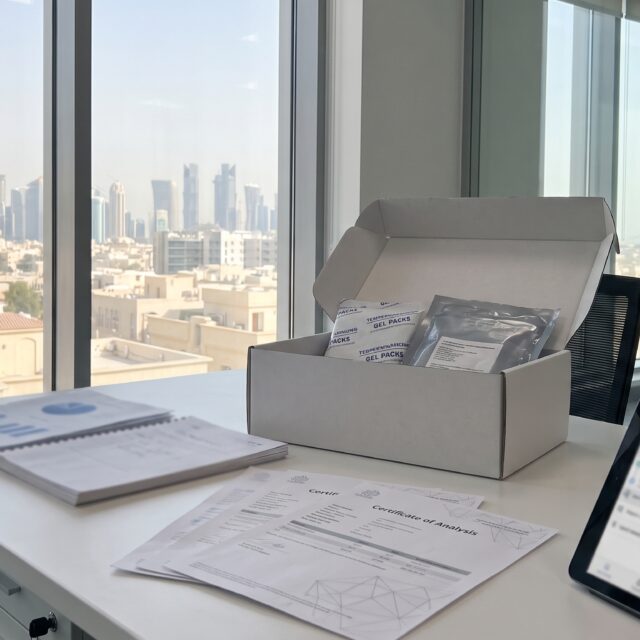
The most critical component of peptide procurement is verifying molecular integrity. A legitimate supplier will openly display a batch-specific Certificate of Analysis (COA) conducted by an independent, accredited third-party laboratory.
- High-Performance Liquid Chromatography (HPLC): This test separates the components of the mixture to verify the purity of the compound. You should demand a minimum purity of 99%. Anything less introduces unknown structural variants or synthesis byproducts that can skew experimental data.
- Mass Spectrometry (MS): This analysis confirms the mass-to-charge ratio of the compound. The results must match the theoretical molecular weight of KPV (~383.5 g/mol) to prove you are receiving the correct amino acid sequence.
If a vendor cannot produce a recent, verifiable COA matching the batch number on the vial, the integrity of your research is highly compromised.
2. Overcoming GCC Customs and NHRA Import Constraints
Bahrain enforces highly stringent pharmaceutical and compound import regulations. The National Health Regulatory Authority (NHRA) monitors incoming biological and chemical compounds closely. Standard international shipping carriers often flag, restrict, or return peptide deliveries to Bahrain because they are misclassified at borders or lack pre-approved serialization data.
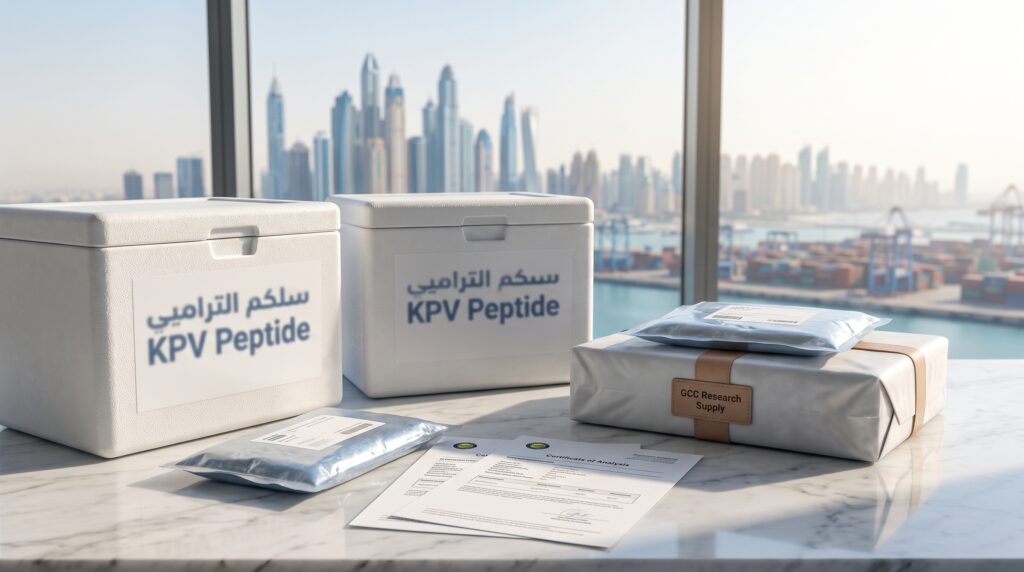
Ordering from vendors located in North America or Europe frequently results in delays lasting weeks, or high customs seizure rates. Shrewd buyers favor regional vendors who utilize discreet, established GCC logistics channels specifically designed for research compounds, thereby avoiding the friction of international border inspections.
3. Climate-Resilient Logistics and Cold-Chain Shipping
The climate in Bahrain is notoriously harsh, particularly from May to October when ambient temperatures frequently exceed 40°C (104°F). Peptides are delicate organic compounds. When exposed to extreme temperatures for prolonged periods, they can rapidly degrade and lose their biological activity.
Lyophilized (freeze-dried) KPV peptide is relatively stable compared to larger proteins, but it still must be protected from sustained heat during transit. International shipments that sit in non-climate-controlled customs warehouses in Bahrain for 7-14 days are at an exceptionally high risk of thermal degradation. By leveraging specialized regional delivery networks, regional suppliers ensure that materials move swiftly from climate-controlled storage to your laboratory bench, completely mitigating the risk of overseas delays.
4. Transparent Support and Secure Payment Methods
Reputable suppliers offer direct lines of communication—such as dedicated WhatsApp support or regional phone lines—allowing buyers to verify stock availability, request specific batch documents, and coordinate delivery times before purchasing. Furthermore, secure, modern payment gateways (avoiding risky, untraceable wire transfers) indicate an established, trustworthy operational infrastructure.
Handling and Storage Protocols for KPV
Once your KPV peptide arrives at your facility in Bahrain, strict handling protocols must be observed to maintain its efficacy:
- Pre-Reconstitution: Keep the lyophilized vial in a cool, dark environment away from UV light. For long-term storage (months to years), storing the unmixed powder at -20°C is standard laboratory practice.
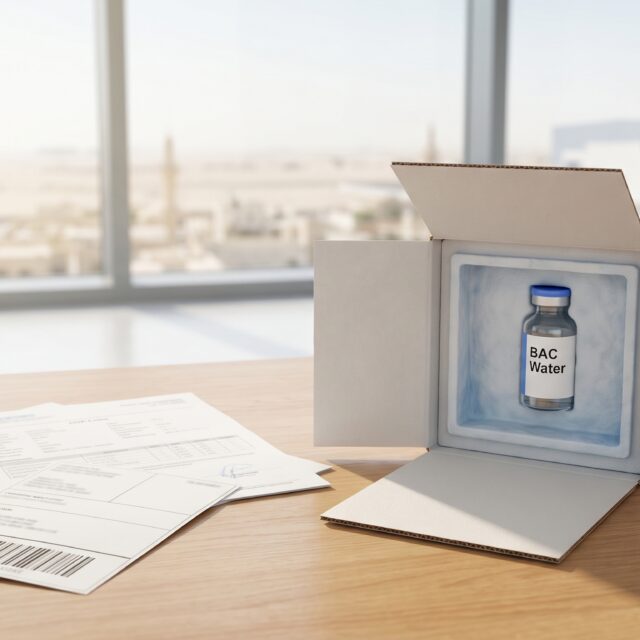
- Reconstitution: KPV must be reconstituted using sterile bacteriostatic water or sterile saline, depending on the specific in-vitro or in-vivo application of your study. Ensure all handling is done under sterile conditions to prevent bacterial contamination.
- Post-Reconstitution Storage: Once mixed into a liquid solution, the peptide bonds are more susceptible to degradation. The reconstituted vial must be kept in cold-chain storage (a laboratory refrigerator) strictly between 2°C and 8°C.
Why Researchers Choose NOVA Labs for KPV Procurement
For investigators evaluating where to securely buy KPV peptide in Bahrain, NOVA Labs provides a commercially confident solution tailored to the operational realities of Gulf-based research.
- Uncompromising Purity Standards: Every single batch of KPV is subjected to rigorous third-party HPLC and MS testing. We guarantee a minimum purity of 99%, with transparent COA documentation available for researchers to verify prior to ordering.
- Optimized Regional Logistics: By dispatching from our secure UAE-based hub, we bypass the friction of international customs, ensuring rapid delivery to Bahrain and eliminating the dangers of extended thermal exposure in unconditioned warehouses.
- Dedicated Institutional Support: We provide localized customer support to assist procurement staff with real-time stock checks, formal documentation requests, and customized delivery scheduling.
- Secure Procurement: With trusted payment gateways and reliable GCC handling, buyers can acquire sensitive materials without the unpredictability and risk of overseas suppliers.
Investigators ready to equip their labs can securely order KPV peptide through our dedicated regional portal.
Conclusion: Elevate Your Research with Reliable Sourcing
Sourcing high-quality KPV peptide in Bahrain does not have to be an exercise in frustration. By shifting procurement focus away from risky, slow international imports and prioritizing regional suppliers that offer verified COAs, specialized logistics, and clear communication, researchers can protect their budgets and guarantee the reliability of their scientific outcomes. Always demand third-party purity validation, account for the Gulf’s severe climate during transit, and ensure your supplier is equipped to handle GCC logistics.
If you are ready to secure verified, laboratory-grade compounds for your upcoming studies, explore our catalog and experience the reliability of optimized regional procurement today.
Disclaimer: The products mentioned in this article are strictly for laboratory research purposes only and are not intended for human consumption, therapeutic use, or diagnostic applications. Always adhere to your institution’s safety guidelines and local NHRA regulations when handling experimental compounds.
References
- National Health Regulatory Authority Bahrain (NHRA). Guidelines on Licensed Medicines & Health Products.
- Journal of Investigative Dermatology (2017). Anti-inflammatory properties and transport mechanisms of the KPV tripeptide via PepT1.
- Biochemical Pharmacology (2019). Molecular mechanisms of NF-kB inhibition by alpha-MSH derived peptides.
- Cosmotrace. Pharmaceutical Serialization in the GCC: Spotlight on Bahrain.
- Buy KPV UAE — Anti-Inflammatory Research Tripeptide in Dubai | Emirates Peptides
- KPV Peptide: Anti-Inflammatory Benefits, Mechanism, and Research Guide – Swolverine
- Where to Buy KPV Peptide: A Complete Guide | Amino Innovations
- Licensed Medicines & Health Products – National Health Regulatory Authority Bahrain
- Pharmaceutical Serialization in the GCC: Spotlight on Bahrain – Cosmotrace
- Shipping Policy – Pure Peptides
- KPV Peptide: Benefits, Dosage, Side Effects & 2026 Status
Frequently asked questions
Is KPV peptide legal to import for research in Bahrain?
Yes, peptides can be imported for legitimate laboratory research in Bahrain, but they must comply with strict National Health Regulatory Authority (NHRA) guidelines. Utilizing established GCC-based suppliers helps avoid the severe delays and seizures commonly associated with standard international couriers.
How should I store KPV peptide upon delivery?
Lyophilized KPV peptide should be stored away from extreme heat and direct sunlight. For long-term storage, keep the unmixed powder at -20°C. Once reconstituted with bacteriostatic water, it must be stored in a refrigerator between 2°C and 8°C to maintain structural stability.
What is KPV peptide primarily used for in scientific studies?
In research environments, KPV (Lys-Pro-Val) is heavily studied for its potent anti-inflammatory properties. It is commonly utilized in localized gut inflammation models (via the PepT1 transporter) and dermatological studies focusing on skin barrier repair and wound healing.
How can I verify the purity of my KPV peptide supplier?
Researchers should mandate a batch-specific Certificate of Analysis (COA) from their supplier prior to purchase. This COA must feature independent, third-party High-Performance Liquid Chromatography (HPLC) and Mass Spectrometry (MS) results confirming a minimum peptide purity of 99%.
Nova Labs buyer tools
Ready to verify stock, testing and delivery?
Use the product page and lab report section to check availability, documentation, delivery timing and support before placing an order.
- COA / test-report checks
- Bahrain delivery context
- Cold-chain handling
- COD and card payment options
- WhatsApp support