

Procuring stable, verified research compounds in the Gulf region requires navigating a unique set of logistical and environmental challenges. When procurement staff and independent researchers set out to buy KPV GCC supplies, they are frequently met with a fragmented market. International dropshippers often fail to account for regional temperature extremes, while unverified local vendors may lack the rigorous analytical documentation required for precision research.
KPV (Lysine-Proline-Valine) is a naturally occurring tripeptide that demands strict handling protocols to maintain its molecular integrity. For buyers evaluating a KPV supplier in the GCC, the decision extends far beyond price. It requires a meticulous assessment of batch-specific documentation, cold-chain packaging, and responsive regional support to ensure the compound arrives viable and ready for investigation.
This guide breaks down exactly what informed buyers should look for when sourcing KPV in the UAE and wider GCC, from decoding Certificate of Analysis (COA) documents to understanding the critical necessity of local warehousing.
Quick Buyer Checklist
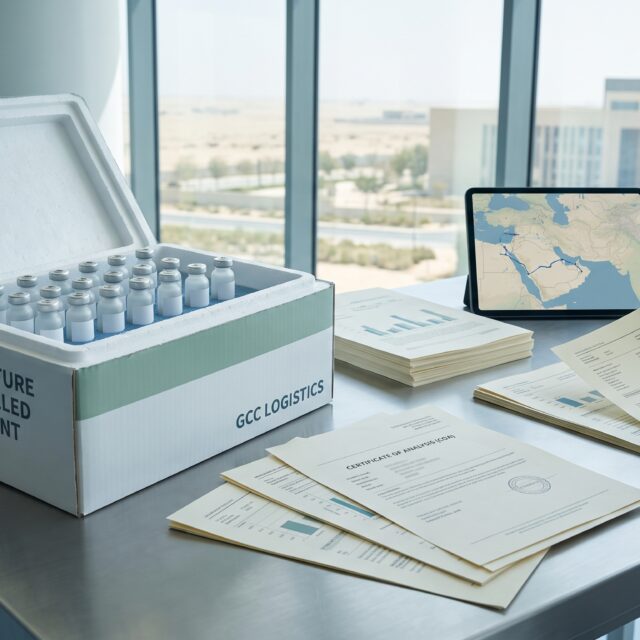
To safely buy KPV in the GCC, buyers must verify batch-specific High-Performance Liquid Chromatography (HPLC) reports confirming a minimum of 98% purity. Furthermore, buyers should ensure the supplier provides the compound in a stable, lyophilized powder format and utilizes localized cold-chain logistics to prevent heat-driven hydrolytic degradation during transit.
The Threat of GCC Heat on Peptide Stability
The most prominent obstacle to sourcing biological compounds in the Middle East is the extreme climate. During peak summer months, ambient temperatures across the UAE, Saudi Arabia, and the wider GCC routinely exceed 40°C (104°F). This environment poses a critical threat to peptide integrity, specifically through a process known as hydrolytic degradation.
When exposed to excessive heat, the fragile peptide bonds connecting the amino acids in KPV can begin to break down, cleaving the molecule and rendering it useless for precise analytical study. This makes international shipping highly risky unless stringent, costly cold-chain parameters are maintained from the point of origin to the final destination.
The Importance of Lyophilization
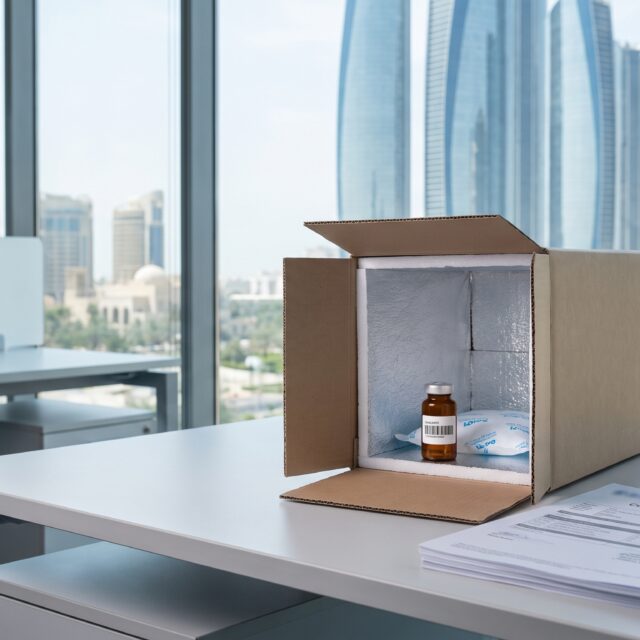
To combat environmental instability, top-tier vendors supply KPV exclusively in a lyophilized (freeze-dried) state. By removing moisture in a controlled vacuum environment, the peptide becomes significantly more resilient to temperature fluctuations. While lyophilized KPV is robust enough to survive short periods at room temperature, it still demands insulated packaging and rapid transit times when shipped in the GCC heat.
Buyers should strictly avoid pre-mixed or liquid KPV solutions shipped over long distances, as these are highly susceptible to rapid degradation without continuous refrigeration.
Evaluating a KPV Supplier GCC: Documentation and Testing
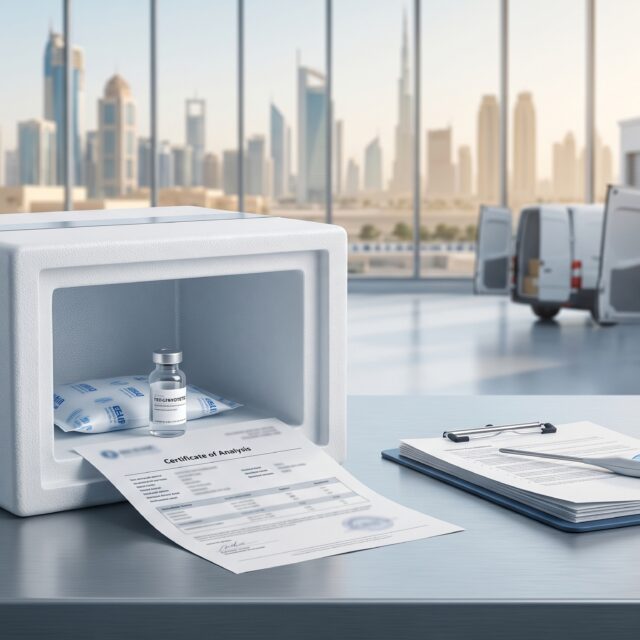
Supplier evaluation starts with verifiable transparency. A reliable research vendor provides comprehensive, third-party analytical data. When preparing to order KPV in the GCC, the first point of verification must be the Certificate of Analysis (COA).
Decoding HPLC and Mass Spectrometry Reports
A complete COA for KPV should include two primary components:
- High-Performance Liquid Chromatography (HPLC): This analytical technique separates the components of a mixture to identify and quantify the exact purity of the peptide. For KPV, research-grade viability demands a purity threshold of 98% or higher. The HPLC chromatogram should display a single, sharp peak, indicating the absence of significant impurities or manufacturing byproducts.
- Mass Spectrometry (MS): While HPLC confirms purity, MS verifies the compound’s identity by confirming its exact molecular weight. KPV has a specific molecular mass, and the MS report ensures the substance in the vial is indeed Lysine-Proline-Valine and not a cheaper structural substitute.
Batch-Specific vs. Generic Documentation
A common red flag in the industry is the use of generic, outdated, or altered COAs. The documentation provided must be batch-specific. The lot number on the vial you receive should match the lot number on the published analytical report. If a vendor obscures testing dates or refuses to provide high-resolution documentation upon request, buyers should look elsewhere.
Local Warehousing vs. International Dropshipping
Historically, GCC researchers relied on overseas suppliers from North America or Europe. However, global supply chains are fraught with delays. A package held up in regional customs for five days during August is likely to suffer irreversible degradation, even if originally shipped with ice packs.
Today, the standard for excellence is local warehousing. Suppliers maintaining inventory within Dubai or other strategic GCC hubs bypass international customs friction entirely for local buyers.
Cold-Chain Logistics and Next-Day Transit
The single best way to mitigate heat exposure is to drastically reduce transit time. By utilizing local dispatch centers, reputable vendors can offer expedited shipping windows that keep the product out of the elements.
For example, NOVA Labs utilizes localized distribution networks to ensure rapid processing. For researchers in the UAE, utilizing services that guarantee rapid fulfillment—such as UAE next-day delivery—is a non-negotiable requirement for maintaining compound stability.
Payment Accessibility and Active Support
The transactional experience is often a strong indicator of a supplier’s overall reliability. In the GCC market, buyers expect operational transparency and accessible support channels.
Flexible, Secure Payment Gateways
International dropshippers frequently rely on convoluted payment methods, such as unregulated cryptocurrency transfers or offshore wire services, which offer no buyer protection. A legitimate KPV peptide GCC vendor will offer secure, recognized payment gateways, and in many local markets, Cash on Delivery (COD) options to build trust with local research laboratories.
Real-Time Support and Stock Verification
Because research schedules are strictly timed, procurement delays can disrupt entire projects. The ability to verify stock instantly is a major advantage. Premium suppliers in the region have adopted direct messaging support, such as WhatsApp, allowing buyers to confirm batch availability, request specific COAs, and track local dispatch times in real time. A vendor capable of responding within minutes demonstrates a level of operational maturity that generic overseas websites cannot match.
Integrating KPV into the Laboratory Environment
Once a verified batch of KPV arrives, proper handling shifts from the logistics provider to the researcher.
Upon delivery, lyophilized vials should immediately be transferred to a freezer (typically -20°C) for long-term storage, or a refrigerator (2°C to 8°C) if intended for near-term reconstitution. To prepare KPV for in-vitro study or experimental application, researchers must reconstitute the powder using a sterile solvent—almost universally bacteriostatic water—to prevent bacterial growth during the lifespan of the vial.
Once reconstituted, the compound’s fragility increases. Liquid KPV must remain continuously refrigerated and handled gently to prevent mechanical sheering of the peptide bonds.
Why Researchers Choose NOVA Labs for KPV
NOVA Labs has engineered its supply chain specifically to solve the hurdles of the GCC market. We understand that researchers cannot afford uncertainty regarding purity or stability.
When you source KPV through NOVA Labs, you are accessing compounds that undergo rigorous, independent purity testing, ensuring every vial meets strict analytical thresholds. By holding our inventory locally, we eliminate the customs delays and prolonged heat exposure that plague international orders, ensuring your materials arrive precisely when needed.
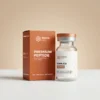
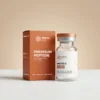
To review the documentation and secure verified stock for your next project, explore our KPV 10mg vials and experience a higher standard of regional peptide distribution.
Summary of Best Practices
- Demand batch-specific HPLC and MS reports.
- Accept only a minimum of 98% purity.
- Ensure the product is shipped as a lyophilized powder.
- Prioritize suppliers with local UAE/GCC warehouses to minimize transit times.
- Utilize vendors offering transparent communication and responsive regional support.
*
References:
- Journal of Pharmaceutical Sciences. “Stability of Lyophilized Proteins and Peptides in High-Temperature Environments.” (General guidelines on hydrolytic degradation).
- UAE Federal Customs Authority (FCA). “Import and Clearance Guidelines for Biological and Research Materials.” (Context on localized cold-chain logistics).
Disclaimer: The products mentioned in this article are for research purposes only and are not intended for human consumption or clinical use.
References
- Buy KPV UAE – Anti-Inflammatory Research Tripeptide in Dubai | Emirates Peptides
- Peptides Compounding Pharmacy Dubai – CureCell
- KPV 10mg في الإمارات | دليل التحقق والحفظ – Laverne Health UAE
- Pharma Lab Global Top Quality Research Peptides Online UAE
- KPV – DXB Peptides
Frequently asked questions
How does the GCC climate affect KPV stability during shipping?
Extreme heat in the GCC can cause hydrolytic degradation, breaking down the peptide bonds if shipped in a liquid state. Verified suppliers ship KPV exclusively as a lyophilized (freeze-dried) powder using regional cold-chain logistics to maintain molecular stability.
What documents should I request to verify a KPV supplier in the GCC?
Buyers should always request a batch-specific Certificate of Analysis (COA) that includes High-Performance Liquid Chromatography (HPLC) and Mass Spectrometry (MS) results, confirming a minimum of 98% purity and authentic molecular weight.
Why is local next-day delivery important for research peptides in the UAE?
Local warehousing and next-day delivery minimize transit times, eliminating international customs delays and keeping the peptide out of extreme ambient temperatures, which is critical for preserving compound viability.
How should KPV be stored once delivered?
Upon arrival, unmixed lyophilized KPV vials should be stored in a freezer or refrigerator away from direct light. Once reconstituted with bacteriostatic water for research, it must be kept continuously refrigerated.
Nova Labs buyer tools
Ready to verify stock, testing and delivery?
Use the product page and lab report section to check availability, documentation, delivery timing and support before placing an order.
- COA / test-report checks
- GCC delivery context
- Cold-chain handling
- COD and card payment options
- WhatsApp support