



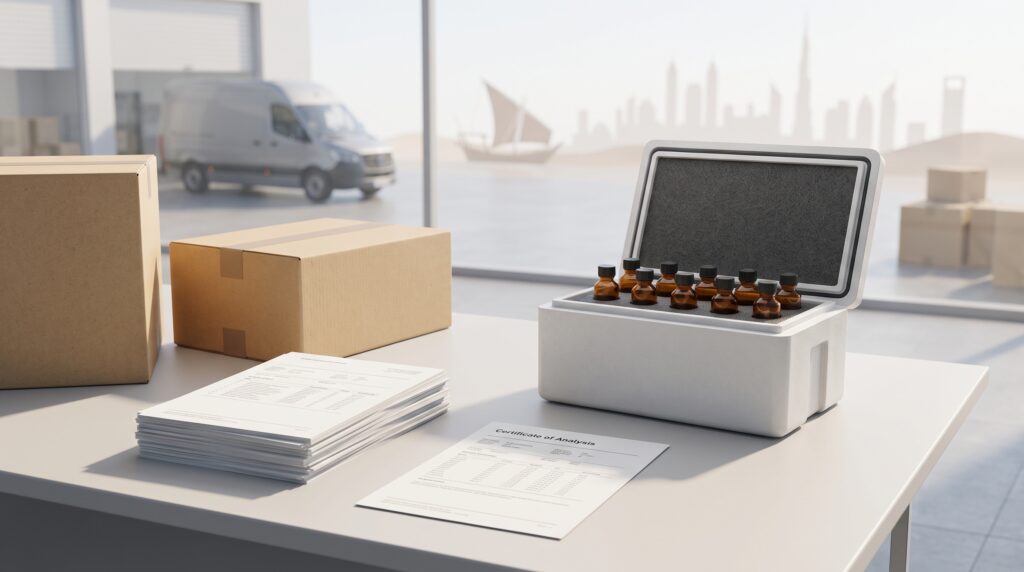
What to Know Before You Order Selank in Bahrain
Procuring high-quality research peptides in the Middle East requires navigating a complex landscape of logistics, local import regulations, and rigorous quality control. For research laboratories and procurement staff looking to buy Selank in Bahrain, the primary challenge is not simply finding a supplier, but identifying one that can successfully protect the integrity of the compound from its origin point to the final laboratory bench.
Quick answer: When looking to buy Selank in Bahrain, researchers must prioritize suppliers offering third-party HPLC and MS testing to verify peptide purity. Reliable procurement in the GCC also requires temperature-controlled shipping, batch-specific Certificates of Analysis (COAs), and strict adherence to Bahrain’s customs guidelines.
Since the regional market involves both international distributors and localized aggregators, buyers need to be highly discerning. Establishing a secure procurement channel depends heavily on evaluating independent lab documentation, verifying continuous cold-chain shipping methodologies, and ensuring seamless communication with the supplier.
Buyer Checklist for Sourcing Selank
Before placing an order for research compounds to be delivered to Bahrain, consider these essential evaluation criteria to protect your laboratory budget and ensure accurate research outcomes:
- Batch-Specific Documentation: Ensure the supplier provides a third-party Certificate of Analysis (COA) detailing High-Performance Liquid Chromatography (HPLC) and Mass Spectrometry (MS) results. The batch ID on the vial must match the lab report exactly.
- Regulatory Alignment: Confirm the supplier explicitly markets the compound for research purposes only. Suppliers making unapproved therapeutic or human-use claims risk immediate product seizures by local border authorities.
- Customs Visibility: Calculate the total landed cost of your shipment by factoring in Bahrain’s e-commerce import thresholds, including VAT, processing fees, and applicable customs duties.
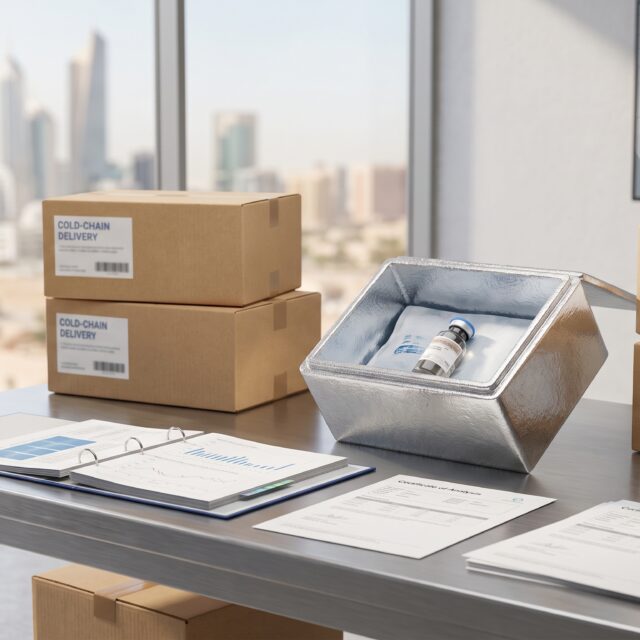
- Thermal Protection: Verify that the supplier utilizes specialized insulated packaging, such as thermal mailers or cold packs, to protect lyophilized peptides from extreme Middle Eastern temperatures during transit.
- Responsive Support: Reliable regional suppliers offer direct communication channels, such as WhatsApp support, for immediate stock checks and rapid problem resolution if a shipment is delayed.
The GCC Cold-Chain Standard: Protecting Peptide Integrity
Mitigating heat degradation is one of the most critical challenges when sourcing peptides in the Gulf region. Lyophilized (freeze-dried) peptides are highly susceptible to chemical degradation and hydrolysis when exposed to the extreme climate characteristic of the Middle East.
The fragile nature of peptide bonds means that prolonged exposure to high temperatures during commercial transit can rapidly degrade the compound. Degraded peptides yield inconsistent data, rendering them useless for precise in vitro testing. To prevent this degradation, leading international and regional suppliers must implement strict cold-chain shipping methodologies.
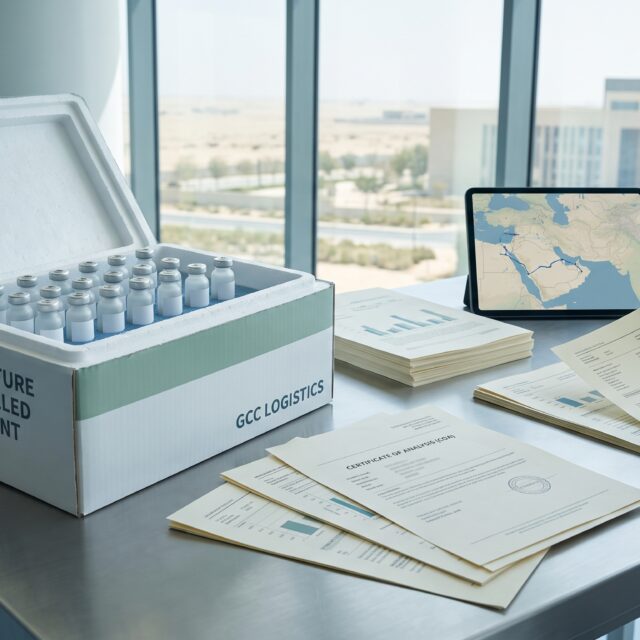
This involves utilizing temperature-controlled storage facilities prior to dispatch and sending out orders in advanced insulated packaging. When you evaluate a Selank supplier in Bahrain, assessing their logistics framework is just as important as verifying product purity. Reliable vendors will transparently discuss their shipping protocols and offer rapid regional delivery options to minimize transit time. For an example of how established regional suppliers manage these environmental challenges, review peptides UAE next-day delivery logistics and handling standards, which serve as a benchmark for GCC fulfillment.
Navigating Bahrain Customs Regulations
Procurement staff and independent researchers must possess a working knowledge of local regulatory frameworks to ensure seamless importation. Bahrain’s National Health Regulatory Authority (NHRA) strictly regulates the importation of pharmaceutical items. Under these regulations, any unapproved therapeutic compounds require valid medical reports, prescriptions, and specific personal import permits.
However, research peptides intended exclusively for laboratory evaluation occupy a completely different compliance category. To align with global and regional guidelines, reputable sellers market Selank strictly as a research-use-only (RUO) chemical. They actively refuse to supply buyers making clinical, diagnostic, or human consumption claims. Maintaining this strict classification on all commercial invoices and shipping manifests is absolutely essential for avoiding customs friction and shipment confiscation.
Customs Duties and VAT
Financially, buyers must account for updates to Bahrain’s GCC Common Customs Law guidelines. Both corporate and personal e-commerce shipments are subject to localized tax policies. Currently, shipments valued over BHD 300 generally incur a 5% customs duty. Furthermore, Bahrain’s standard 10% Value Added Tax (VAT) is broadly applied to imported goods. When calculating procurement budgets for large-scale laboratory supplies, these standardized levies must be factored into the final landed cost.
Auditing Purity: How to Verify Supplier COAs
The cornerstone of safe, reliable peptide procurement is the Certificate of Analysis (COA). Unfortunately, in a loosely regulated global market, not all COAs are authentic or accurate. High-quality suppliers prevent counterfeit distribution by maintaining strict, transparent testing protocols that buyers can verify independently.
When reviewing a COA for a Selank peptide shipment in Bahrain, researchers should meticulously audit the following data points:
High-Performance Liquid Chromatography (HPLC)
This crucial test confirms the purity percentage of the compound by separating the components in a mixture. For rigorous research applications, a purity level of 98% or higher is the strict industry standard. Anything lower indicates the presence of impurities or incomplete synthesis, which can skew experimental data.
Mass Spectrometry (MS)
Mass Spectrometry determines the precise molecular weight of the peptide. By analyzing the MS data, a laboratory can confirm that the chemical structure within the vial matches the requested compound precisely, ensuring no substitutions or severe degradation have occurred.
Traceable Batch Identification
A legitimate COA will prominently feature a unique batch or lot number, along with the date of testing and the independent laboratory’s contact information. When you receive your physical vials, this exact number should be printed on the label, allowing you to trace the specific vial in your hand back to the exact third-party lab test. If a supplier refuses to provide batch-matching COAs or relies on outdated, internally generated documents, they present a significant risk to your data integrity.
Proper Storage and Handling Post-Delivery
Once a shipment of Selank clears Bahrain customs and arrives at your facility, proper handling is paramount. While lyophilized peptides are relatively stable during rapid transit, they must be moved to long-term storage immediately upon arrival.
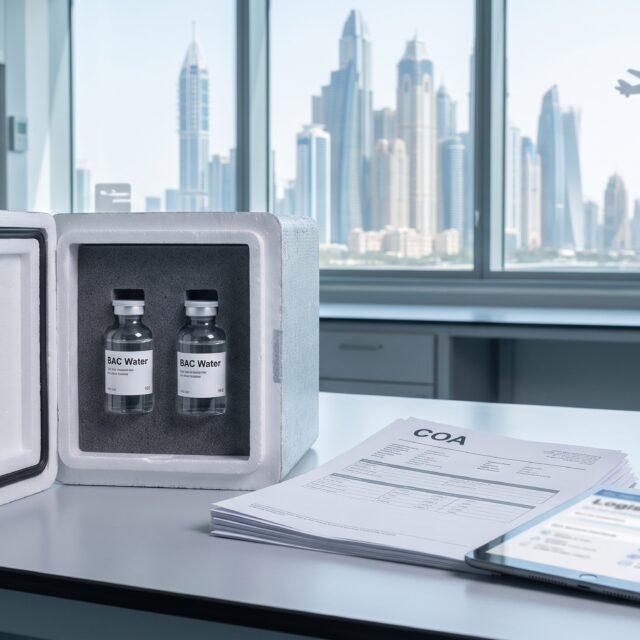
For long-term preservation, unconstituted Selank vials should be stored in a laboratory freezer at -20°C. When preparing the peptide for an experiment, it must be reconstituted using sterile bacteriostatic water or sterile saline, depending on the specific in vitro protocol. Once reconstituted, the peptide becomes highly fragile and must be stored in a refrigerator between 2°C and 8°C. Researchers must avoid repeated freeze-thaw cycles, as these will permanently fracture the peptide bonds.
Understanding Selank in a Research Context
For laboratories exploring cognitive and neuroimmune research models, understanding the compound’s structural background is vital. Originally developed by the Institute of Molecular Genetics of the Russian Academy of Sciences, Selank is a synthetic, heptapeptide analog of the naturally occurring peptide tuftsin.
In laboratory settings, Selank is frequently evaluated alongside Semax, which is an ACTH-derived peptide. While both are heavily utilized to study neurocognitive peptide mechanics, anxiolytic properties, and brain-derived neurotrophic factor (BDNF) expression, they operate on completely different biological pathways. Leading research peptide suppliers recognize the specialized nature of these compounds and require strict Know Your Customer (KYC) verification processes before shipping, ensuring they are delivered solely to qualified professionals.
Selecting a Reliable Supplier for the GCC Market
Sourcing high-quality peptides requires partnering with a vendor that thoroughly understands the operational hurdles of the Gulf region. The ideal supplier combines analytical transparency with localized logistics and dedicated B2B support.
By focusing on verifiable documentation, a reputable supplier ensures that researchers have direct access to recent, batch-specific HPLC and MS testing reports prior to purchase. Localized shipping protocols help mitigate the environmental risks that plague slow international shipments, ensuring your materials arrive intact. Furthermore, modern laboratories benefit from suppliers offering secure payment gateways (including credit card and regional bank transfers), responsive WhatsApp support for stock checks, and a highly streamlined procurement process.
Final Procurement Considerations
Buying Selank in Bahrain demands a careful, analytical approach to supplier selection. Prioritizing independent COA verification protects your research data, while understanding the financial implications of local customs laws keeps your project within budget. Above all, insisting on robust cold-chain logistics ensures the compound remains viable upon arrival.
Always partner with a supplier that values scientific documentation and research compliance over aggressive consumer marketing, ensuring your procurement process remains seamless from order placement to final delivery.
For laboratories ready to stock up on verified research chemicals, ensure your chosen vendor checks all the logistical and analytical boxes. To view transparent COAs and secure your next batch safely, order Selank in Bahrain through NOVA Labs’ verified GCC supply chain today.
Disclaimer: The products mentioned in this article are strictly for in vitro research and laboratory evaluation purposes only. They are not intended for human consumption, diagnostic use, or therapeutic application.
References
- Import unapproved medicine into Bahrain – Everyone.org: https://everyone.org/import-unapproved-medicine-into-bahrain
- Bahrain – Prohibited and Restricted Imports – International Trade Administration: https://www.trade.gov/country-commercial-guides/bahrain-prohibited-and-restricted-imports
- Selank Peptide | Benefits, Safety & Buying Advice [2024] – Innerbody Research: https://www.innerbody.com/selank-peptide-benefits-safety-buying-advice
- Peptide Stability Shipping: 2024 Expert Guide: https://peptidejournal.com/peptide-stability-shipping
- National Health Regulatory Authority Bahrain Importation Guidelines: https://www.nhra.bh
- Import unapproved medicine into Bahrain – Everyone.org
- Bahrain – Prohibited and Restricted Imports – International Trade Administration
- Selank Peptide | Benefits, Safety & Buying Advice [2026] – Innerbody Research
- Peptide Stability Shipping: 2026 Expert Guide
- National Health Regulatory Authority Bahrain Importation Guidelines
Frequently asked questions
Is Selank legal to import into Bahrain for research?
Yes, provided the peptides are strictly documented and marketed for in vitro research purposes. Buyers must comply with Bahrain's NHRA guidelines, which regulate unapproved pharmaceuticals, making the research-only designation critical for border clearance.
Will I pay customs duties when ordering peptides to Bahrain?
Shipments are subject to local tax policies. Currently, commercial and personal orders valued over BHD 300 generally incur a 5% customs duty, and Bahrain's standard 10% VAT applies broadly to imported goods. Procurement managers should account for these costs in their budgets.
How do I check the purity of a Selank peptide before buying?
Purity is verified by reviewing an independent Certificate of Analysis (COA) provided by the supplier. You should specifically look for HPLC (High-Performance Liquid Chromatography) results confirming 98%+ purity and ensure the batch ID on the COA matches the product vial you receive.
How does Middle Eastern heat affect peptide shipments?
Extreme summer heat can cause rapid chemical degradation and hydrolysis in fragile lyophilized peptides. It is essential to choose a supplier that utilizes advanced insulated packaging and continuous cold-chain shipping methodologies to protect the compound's structural integrity during transit to Bahrain.
What is the difference between Selank and Semax in research?
In research models, Selank is evaluated as a synthetic analog of the peptide tuftsin, while Semax is an ACTH-derived peptide. Both are studied for their distinct neurocognitive mechanics and BDNF expression, but they operate on entirely different biological pathways in laboratory settings.
Nova Labs buyer tools
Ready to verify stock, testing and delivery?
Use the product page and lab report section to check availability, documentation, delivery timing and support before placing an order.
- COA / test-report checks
- Bahrain delivery context
- Cold-chain handling
- COD and card payment options
- WhatsApp support