

Procuring high-quality research compounds in the Gulf region requires navigating a unique set of challenges. Between stringent import regulations, the risk of counterfeit documentation, and extreme summer temperatures, buying HPLC tested peptides UAE requires more than just trusting a label. For researchers, procurement staff, and informed buyers, verifying the chemical purity and structural identity of a compound is the foundational step for any successful project.
However, finding a reliable supplier means looking past marketing claims to evaluate hard analytical data. A generic claim of “99% purity” is meaningless without the batch-specific documentation to prove it. Furthermore, even the highest-quality compound is compromised if it degrades while sitting in a non-temperature-controlled customs warehouse in Dubai. This guide details exactly how buyers in the UAE can verify peptide quality, read testing documentation, and evaluate local suppliers to ensure their research materials arrive intact and fully potent.
What Are HPLC Tested Peptides UAE Buyers Need to Know?
Quick Answer: To verify HPLC tested peptides in the UAE, always request a batch-specific Certificate of Analysis (COA) containing both HPLC purity (minimum 99%) and LC-MS molecular weight data. Additionally, ensure your supplier uses cold-chain local logistics to prevent compound degradation during extreme Dubai temperatures or customs delays.
HPLC tested peptides UAE refers to research compounds rigorously verified for chemical purity using high-performance liquid chromatography. This analytical testing separates a sample’s chemical components to calculate precise purity levels, ensuring the compound meets the strict 99% industry standard required for advanced laboratory research before domestic distribution.
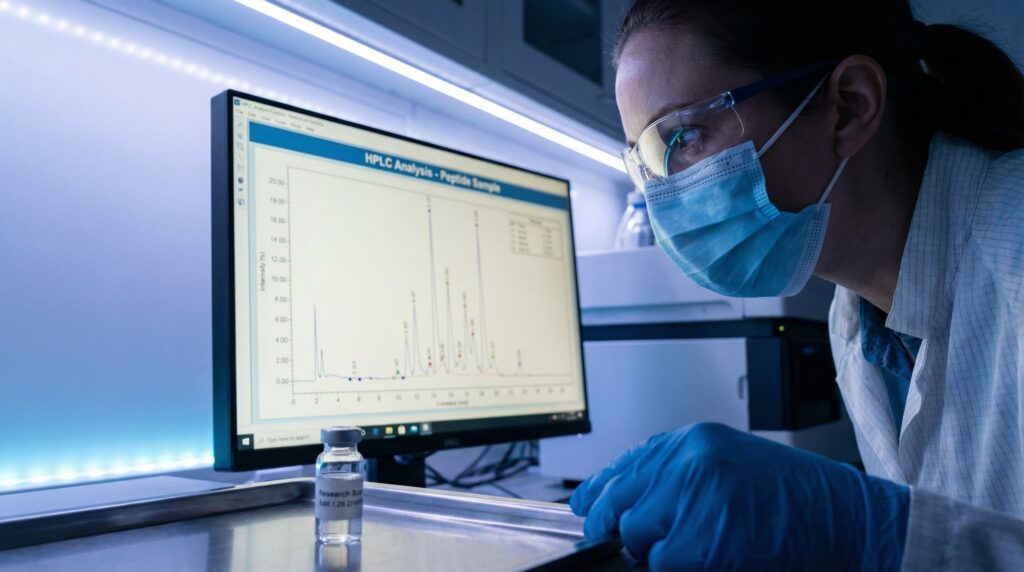
High-Performance Liquid Chromatography (HPLC) operates by passing a pressurized liquid solvent containing the sample through a column filled with a solid adsorbent material. Because different molecules in the sample interact differently with the adsorbent material, they flow out of the column at different speeds (retention time).
As the separated components emerge, a detector measures them, generating a chromatogram. On this chart, each chemical component appears as a peak. The primary peak represents the target peptide, while smaller secondary peaks represent impurities—such as truncated sequences, deleted amino acids, or leftover synthesis reagents. By calculating the area under the primary peak relative to the total area of all peaks, laboratories determine the exact purity percentage. For rigorous research applications, a baseline of 98% to 99%+ purity is considered the non-negotiable standard.
The Critical Difference Between HPLC and LC-MS
While finding an HPLC tested peptides supplier in the UAE is a strong starting point, HPLC alone does not tell the complete story of a compound’s viability. HPLC is excellent at measuring purity (how much of a single substance is in the vial), but it cannot definitively confirm the identity of that substance.
If a laboratory synthesizes the wrong amino acid sequence but does so with flawless precision, the HPLC test might still show a 99% pure peak. However, the vial contains 99% of the wrong compound. This is where Liquid Chromatography-Mass Spectrometry (LC-MS) becomes critical.
Mass spectrometry measures the exact mass-to-charge ratio of the molecules in the sample. Every peptide has a specific theoretical molecular weight based on its unique chain of amino acids. By comparing the observed molecular weight from the LC-MS results against the theoretical weight, researchers can confirm with absolute certainty that the synthesized compound is precisely what it claims to be. A trustworthy supplier will always provide both HPLC (for purity) and LC-MS (for identity) data.
Red Flags: Spotting Fake COAs in the Middle East Market
As the demand for research compounds has grown in the GCC, so has the prevalence of fraudulent documentation. International and local grey-market sellers frequently utilize deceptive tactics to pass off inferior products. Recognizing these red flags is essential for protecting your research integrity:
- The “Golden Sample” Tactic: A vendor tests one exceptionally pure batch and uses that same COA for years across entirely different production runs. Check the date on the document; if it is over a year old, it likely does not reflect current inventory.
- Missing Batch Numbers: If the physical vial you receive does not have a lot or batch number printed on it that exactly matches the number on the COA, the testing data is irrelevant to your purchase.
- Blurred or Cut-Off Chromatograms: Legitimate lab reports feature high-resolution graphs with clearly marked X and Y axes. If the graph looks like a low-resolution screenshot or cuts off vital data, it has likely been manipulated.
- In-House Testing Only: While in-house QA is important, premium suppliers rely on independent, third-party analytical laboratories to verify their compounds. A document generated entirely by the seller without an independent lab’s letterhead requires heavy skepticism.
How to Authenticate a Peptide Certificate of Analysis (COA)
A legitimate Certificate of Analysis is the official document containing the results of the HPLC and LC-MS testing. Here is a practical, step-by-step checklist to authenticate testing documentation before bringing a compound into your laboratory:
1. Match the Batch Number
The most critical step in verifying a COA is checking the lot or batch number. A legitimate COA must clearly display a unique batch number, and this exact sequence must be printed on the physical vial you receive.
2. Verify the Testing Date and Lab
Ensure the testing date aligns reasonably with your purchase date and the supplier’s inventory cycles. Look for the contact information of the testing laboratory and verify that they are a real, operational analytical facility.
3. Review the Chromatogram Data
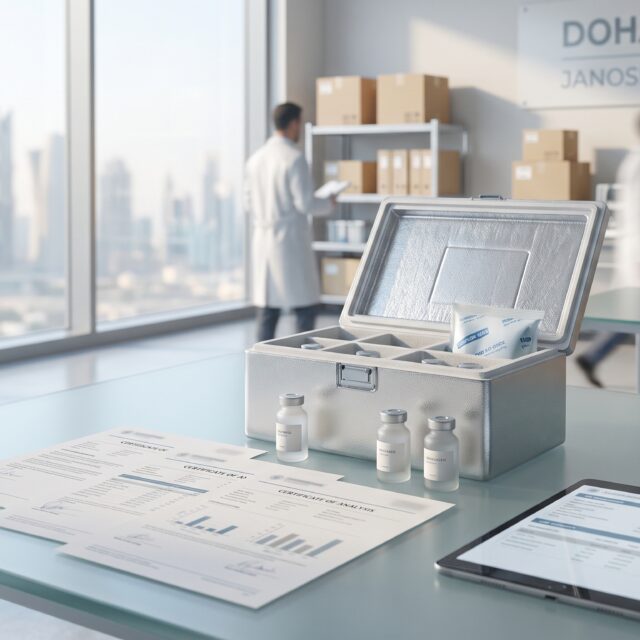
A genuine testing report will include complete, unedited chromatograms and spectral data. The HPLC graph should display sharp, distinct peaks with clearly labeled axes indicating retention time and absorbance. The report should also list the theoretical molecular weight next to the observed molecular weight from the mass spectrometry test. You can review our lab results at NOVA Labs to see exactly what transparent, batch-specific documentation should look like from top-tier analytical facilities.
The UAE Climate and Customs Crisis: Why Local Supply Matters
Beyond laboratory documentation, purchasing peptides in the Gulf region introduces a severe environmental variable: heat. During the summer, temperatures in Dubai, Abu Dhabi, and the wider GCC routinely exceed 40-45°C. Peptides are sensitive biological molecules; prolonged exposure to high temperatures accelerates degradation, breaking down the peptide bonds and rendering the compound useless for research.
When buyers attempt to import directly from international suppliers, packages must pass through UAE customs. Under the updated regulatory framework, particularly Federal Law No. 38 of 2024 regulated by MOHAP (Ministry of Health and Prevention), chemical imports face stringent scrutiny. Direct-to-consumer imports of research chemicals are frequently flagged, leading to severe delays, requests for extensive documentation, or outright seizures at Dubai Customs.
If a package containing delicate compounds is held for days or weeks in a non-temperature-controlled holding facility while awaiting clearance, the structural integrity of the peptide is compromised. A vial that left an overseas lab at 99% purity may degrade significantly by the time it finally reaches your facility, skewing your research data and wasting resources.
This logistical hurdle is why utilizing a locally stationed distributor is vital. By holding tested, verified inventory within the borders of the UAE, local suppliers bypass individual customs delays for the end-user. The compounds are stored safely in climate-controlled facilities until the exact moment they are ordered, ensuring maximum viability.
Evaluating an HPLC Tested Peptides Shop UAE
When selecting a supplier, researchers and procurement staff must look for a vendor that combines rigorous analytical testing with flawless local execution. Here are the operational markers of a premium HPLC tested peptides shop UAE:
Local Cold-Chain Logistics
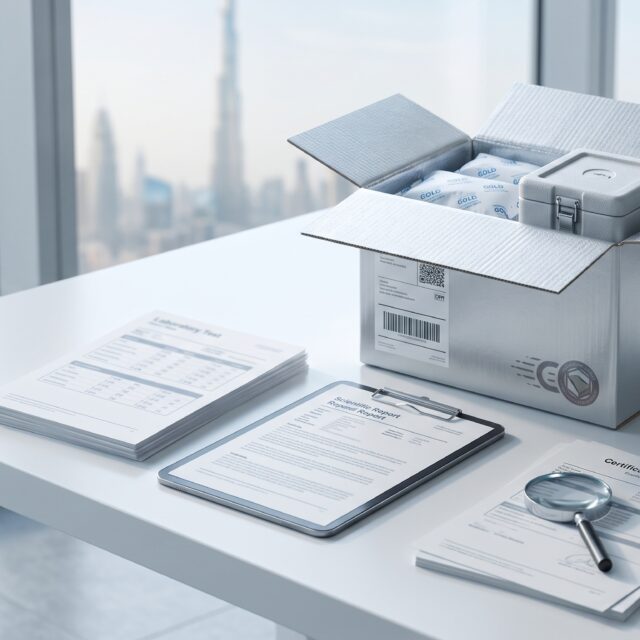
Because local temperatures are unforgiving, delivery methods matter immensely. Reputable local suppliers utilize cold-chain packaging, dispatching vials in insulated mailers with cold packs to maintain a stable, cool temperature during transit across the Emirates.
Rapid Local Fulfillment
Sourcing locally means transit times are measured in hours, not weeks. A capable UAE supplier should offer same-day or next-day delivery via climate-controlled courier services within Dubai, Abu Dhabi, Sharjah, and the wider Emirates. This speed minimizes the time the compound spends outside a refrigerated environment, preserving the 99% purity confirmed by the HPLC tests.
Transparent Support and Local Payment Options
International wire transfers or cryptocurrency requirements for overseas research compounds can be complicated and offer zero buyer protection. Local vendors who offer Cash on Delivery (COD) demonstrate immense confidence in their product and operations, allowing buyers to inspect the packaging and labeling before committing payment. Additionally, responsive local support—such as direct WhatsApp communication—ensures that any questions about batch availability, shipping timelines, or specific documentation are answered immediately in the local time zone.
Conclusion
Verifying the quality of research compounds in the GCC requires meticulous attention to detail and an understanding of both analytical chemistry and local logistics. Sourcing reliable HPLC tested peptides UAE means looking for batch-specific COAs, demanding both HPLC purity and LC-MS identity data, and ensuring the supplier has the localized cold-chain infrastructure to protect the compound from the extreme local climate. By prioritizing transparency and local fulfillment, researchers can eliminate customs friction and ensure their laboratory work is built on a foundation of pure, verified materials.
Ready to source verified compounds for your next project? Shop our collection of research peptides to experience seamless UAE delivery and access fully documented, batch-tested quality you can rely on.
Disclaimer: All products mentioned are strictly for in-vitro research and laboratory use only. They are not intended for human consumption, diagnostic, therapeutic, or clinical use.
References
- UAE Ministry of Health and Prevention (MOHAP): Federal Law No. 38 of 2024 Framework on Chemical and Pharmaceutical Imports.
- Principles of Instrumental Analysis (Skoog et al.): Applications of High-Performance Liquid Chromatography and Mass Spectrometry in Peptide Synthesis.
- Journal of Chromatography A: The Impact of Extreme Temperature Fluctuations on Peptide Bond Degradation During Transit.
- D’Hondt, M., et al. (2014). Related impurities in peptide medicines. Journal of Pharmaceutical and Biomedical Analysis.
- Kálmán, F., et al. (2020). Quality Control of Synthetic Peptides. Molecules.
Disclaimer: The products mentioned in this article are for research purposes only and are not intended for human consumption.
- How to Read a Peptide Purity Test: HPLC, Mass Spectrometry and COA Interpretation for UK Researchers (2026)
- HPLC Tested Peptides UAE: COA and Purity Checklist – NOVA Labs
- Peptide Import & Registration UAE | Licensed Pathway – Pharmareg
- Importing Pharmaceuticals and Medical Devices to the UAE: A Comprehensive Guide
Frequently asked questions
How do you verify an HPLC peptide COA?
To verify a Certificate of Analysis (COA), ensure the batch or lot number on the document exactly matches the printed label on your physical vial. Additionally, check for a recent testing date and ensure the report includes unedited chromatogram graphs from an independent third-party laboratory.
Why is LC-MS testing important alongside HPLC?
While HPLC measures the purity percentage of a sample, LC-MS (Liquid Chromatography-Mass Spectrometry) verifies the exact molecular weight. This confirms the identity of the compound, ensuring the synthesized peptide is the correct amino acid sequence, not just a pure batch of the wrong substance.
Do peptide shipments degrade in UAE customs?
Yes, direct international imports often face customs delays under UAE MOHAP regulations. If packages are held in non-temperature-controlled facilities during extreme summer heat, the peptide bonds can rapidly degrade, compromising the chemical's purity and structural integrity.
What is the standard purity for research peptides?
The industry standard for research-grade peptides used in precise laboratory settings is 98% to 99% or higher. Purity levels below this threshold may contain synthesis impurities that can skew experimental data and affect research outcomes.
Nova Labs buyer tools
Ready to verify stock, testing and delivery?
Use the product page and lab report section to check availability, documentation, delivery timing and support before placing an order.
- COA / test-report checks
- UAE delivery context
- Cold-chain handling
- COD and card payment options
- WhatsApp support