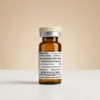

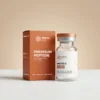


Procuring research peptides in the Gulf Cooperation Council (GCC) requires careful attention to both regulatory compliance and environmental factors. For laboratories, independent researchers, and informed procurement staff looking to source high-grade biochemicals in the region, the local marketplace presents specific logistical challenges. From intense summer heat that threatens peptide stability to strict Ministry of Public Health (MoPH) import regulations, selecting the right supplier involves much more than simply finding stock online.
Delta-Sleep Inducing Peptide (DSIP) is a synthetically reproducible nine-amino-acid neuropeptide (Trp-Ala-Gly-Gly-Asp-Ala-Ser-Gly-Glu). First isolated in 1974, it is frequently studied in preclinical research environments regarding sleep-wake cycles, neurological baseline regulation, and stress response mechanisms. However, it is strictly distributed for research purposes only and is not approved for human consumption. This guide breaks down the essential criteria for evaluating a DSIP supplier in Qatar, verifying chemical purity, and ensuring that your procurement process is secure and transparent.
Key Takeaways: Sourcing DSIP in Doha
- Cold-Chain is Mandatory: Only source lyophilised (freeze-dried) powder shipped in insulated packaging to survive extreme GCC temperatures.
- Verify Third-Party COAs: Demand independent, cryptographically verifiable testing from laboratories like Janoshik Analytical (HPLC/MS).
- Customs Documentation: Ensure suppliers use ‘Research Use Only’ (RUO) designations, correct HS codes, and provide MSDS to clear the Al Nadeeb customs portal.
- Regional Hubs Over Resellers: Operating through established UAE/GCC hubs often yields higher purity controls and more reliable shipping times (4-5 days) than relying on informal local domestic networks.
How to Buy DSIP Qatar: A Guide for Researchers
To buy DSIP in Qatar safely, researchers must source from regional GCC hubs that utilize strict cold-chain logistics. Always prioritize suppliers providing lyophilised powder, insulated packaging, and cryptographically verifiable Janoshik Certificates of Analysis (COAs) to ensure peptide purity clears Al Nadeeb customs without degradation.
Successfully importing and maintaining the integrity of delicate research compounds requires a sophisticated supply chain. Below, we examine the critical factors to evaluate before placing a purchase order.
Surviving the GCC Heat: Cold-Chain and Lyophilisation
Between May and October, ambient temperatures across Qatar and the wider GCC act as the primary threat to peptide integrity. High heat rapidly accelerates the degradation of delicate peptide bonds through hydrolysis and deamidation, a process that can render a highly pure research compound entirely useless before it ever reaches the laboratory bench.
The Necessity of Lyophilised Formats
Pre-reconstituted liquid peptides are highly susceptible to thermal degradation and mechanical shear during transit. Therefore, buyers should exclusively source lyophilised (freeze-dried) powder. The lyophilisation process removes water from the compound while it is frozen under a vacuum, leaving behind a stable powder cake. In this state, DSIP is far more resilient to temperature fluctuations during international or regional transit.
Thermal Packaging Requirements
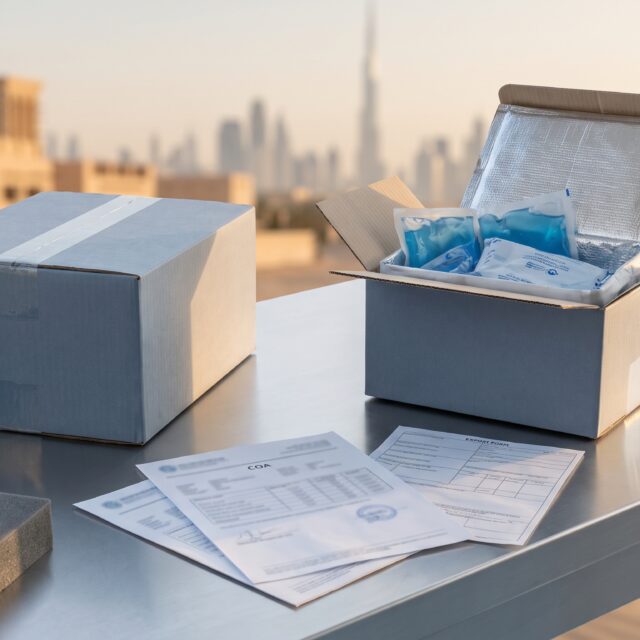
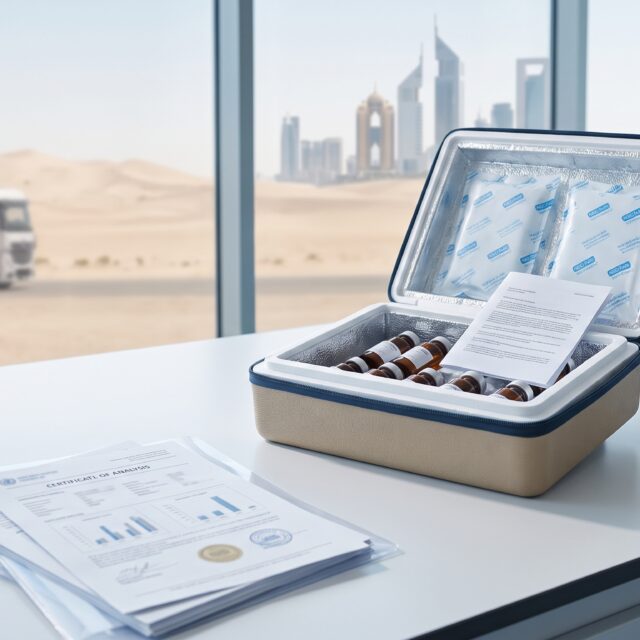
Even in a lyophilised state, DSIP should not sit in an uninsulated delivery van in Doha’s midday heat. Professional suppliers operating within the GCC utilise specialised thermal packaging protocols. This typically includes insulated cold-chain bubble wrap, EPS (expanded polystyrene) foam coolers, and temperature-stabilising gel packs or phase-change materials designed to keep the internal environment of the parcel stable during the regional transit window. A supplier that fails to outline their cold-chain shipping protocols presents a severe risk to your research outcomes and budget.
Navigating MoPH Regulations and Al Nadeeb Customs
Peptides occupy a heavily scrutinised regulatory space in Qatar. The Ministry of Public Health (MoPH) maintains strict pharmaceutical controls, prohibiting the distribution, import, or promotion of unlicensed medical substances for human use. Because research peptides like DSIP are unapproved synthetic compounds, their import must be handled with precise documentation to avoid confiscation or legal friction at the border.
For institutional buyers, laboratories, and corporate research facilities, importing DSIP requires declaration through Qatar’s single-window customs clearance system, Al Nadeeb. Proper documentation is essential to prevent customs delays. This documentation must include:
- Material Safety Data Sheets (MSDS): Outlining the chemical properties and handling safety.
- Commercial Invoices stating ‘Research Use Only’ (RUO): Explicitly declaring that the compound is not for human or veterinary use.
- Precise Chemical Nomenclature: Using the correct biochemical name and structure (e.g., Delta-Sleep Inducing Peptide) rather than branded or pharmaceutical-sounding trade names.
- Accurate HS Codes: Utilising the correct Harmonized System codes for organic chemicals or unmixed synthetic peptides.
Regional suppliers operating from established GCC hubs are uniquely familiar with this friction. They understand how to correctly manifest and label packages so that they clear efficiently, avoiding the extended border holds that frequently plague direct shipments originating from North America or Europe.
The Janoshik Audit: Cryptographically Verifying Purity
The most critical step when sourcing DSIP is verifying the chemical purity of the compound. Without independent verification, researchers risk introducing heavy metal contamination, synthesis by-products (truncated peptide chains), or inaccurate dosages into their assays.
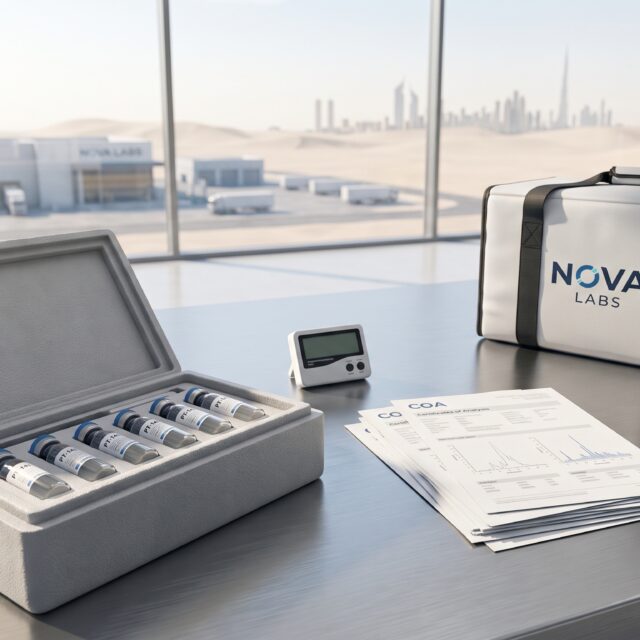
High-Performance Liquid Chromatography (HPLC) and Mass Spectrometry (MS) testing are the analytical gold standards. HPLC separates the components of the sample to measure the exact purity percentage (typically demanding >99% for clinical research), while Mass Spectrometry confirms the exact molecular weight, ensuring the compound is genuinely DSIP.
Spotting Counterfeit COAs
Unfortunately, the global peptide market has seen a sharp increase in counterfeit or recycled Certificates of Analysis (COAs). Unscrupulous vendors often host static PDF files on their own servers, photoshopping dates or batch numbers to appear compliant.
To ensure safety and compound integrity, modern researchers rely on verifiable independent laboratories like Janoshik Analytical. A legitimate supplier will provide a COA that includes a unique alphanumeric Task ID. Buyers should never simply trust a hosted image; instead, they must manually enter the Task ID at janoshik.com/verify. This cryptographic audit confirms directly with the testing lab that the specific batch was genuinely tested and achieved the advertised purity. If a supplier refuses to provide verifiable batch data, they should be disqualified immediately.
Laboratory Handling and Storage in Doha
Securing a pure, correctly shipped vial of DSIP is only half the battle; maintaining its stability upon arrival in Qatar is equally important. Once the parcel is received, institutional guidelines generally dictate the following handling protocols:
- Immediate Temperature Control: Upon arrival, un-reconstituted lyophilised vials should be moved immediately to a freezer. Long-term storage (several months to years) requires temperatures of -20°C or lower.
- Reconstitution Best Practices: When preparing the compound for study, researchers must reconstitute the lyophilised powder using sterile bacteriostatic water or standard sterile water for injection, depending on the timeframe of the assay.
- Post-Reconstitution Storage: Once liquid is introduced, the fragile peptide bonds become vulnerable again. Reconstituted DSIP must be kept refrigerated at 2°C to 8°C and should typically be utilized within a short research window (often 14 to 28 days) to prevent degradation and bacterial growth.
Evaluating Local Resellers vs. Regional GCC Hubs
When researching a DSIP supplier, buyers generally encounter two main avenues: domestic resellers operating informally in Doha, and established regional GCC hubs located in neighboring states like the UAE.
Domestic Niche Retailers
Local operations in Doha occasionally stock imported research compounds, frequently catering to buyers who want to avoid international shipping times. These vendors often offer direct bank transfers or local cash exchanges. While convenient in the short term, local resellers often act as unverified middlemen. Their stock may sit in poorly temperature-controlled storage facilities in Doha’s industrial areas, and they frequently lack direct, batch-specific Janoshik COAs for the exact vials on hand.
Regional GCC Hubs
By contrast, specialised regional peptide suppliers operate major distribution hubs in the UAE, catering to the entire GCC. These hubs offer a substantial advantage in quality control, direct storage management, and stock consistency. While the shipping might take slightly longer (typically 4-5 days direct to Doha via premium couriers), the tradeoff for guaranteed cold-chain handling, proper Al Nadeeb documentation, and cryptographic purity verification is entirely necessary for serious researchers.
Streamlined GCC Sourcing with NOVA Labs
For procurement professionals and independent researchers prioritising strict compliance, documentation, and cold-chain integrity, establishing a supply chain with an operationally transparent regional partner is critical. Operating as a premier GCC hub, NOVA Labs provides direct, tracked shipping solutions tailored specifically for the logistical realities of the Gulf.
Researchers looking for precision synthesis and verifiable batch data can secure their compounds directly via the DSIP product page. NOVA Labs distinguishes itself by maintaining uncompromising quality controls, offering current Janoshik COAs for independent verification, and ensuring that every order is dispatched with temperature-conscious packaging tailored for the Middle East.
Furthermore, NOVA Labs understands regional purchasing preferences. By bridging the gap between high-end analytical testing and localized customer support (including direct WhatsApp assistance), their regional peptides delivery network ensures that your materials arrive intact, correctly documented for customs, and ready for immediate research application.
Conclusion: Making the Right Procurement Choice
Successfully sourcing DSIP in Qatar requires a strategic, informed approach to logistics and documentation. The primary risks—thermal degradation in the GCC heat and customs friction at the MoPH border—can be entirely mitigated by choosing a supplier that prioritizes lyophilised formats, insulated shipping, and transparent Al Nadeeb compliance. Most importantly, never compromise on purity; always demand and cryptographically verify third-party testing reports.
Ready to elevate your lab’s research standards? Explore NOVA Labs’ catalog of analytically verified compounds and experience secure, cold-chain regional shipping designed for the specific demands of researchers across the GCC.
Disclaimer: The products and compounds mentioned in this article, including DSIP, are strictly for in vitro and laboratory research purposes only. They are not intended for human consumption, therapeutic use, or self-administration. Always follow institutional safety guidelines and local regulations when handling research chemicals.
References
- National Center for Biotechnology Information (NCBI). PubChem Compound Summary for CID 44703, Delta-Sleep Inducing Peptide.
- Janoshik Analytical. Independent Analytical Verification Protocols & Task ID Verification.
- General Authority of Customs, State of Qatar. Al Nadeeb Single Window Clearance System Guidelines.
- Ministry of Public Health (MoPH) Qatar. Import Regulations for Chemical and Biological Substances.
- Nova Biolabs vs Remy Peptides Qatar: 2026 Buyer’s Guide
- Janoshik Tested Peptides Qatar: COA and Purity Verification – NOVA Labs
- Peptide Laws in Qatar — Can You Buy, Travel & Import? (2026)
- Buy DSIP in Qatar – Delta Sleep Inducing Peptide – Doha Performance
- How To Pay – Doha Performance
- what is DSIP? Explanation of Delta Sleep-Inducing Peptide – SEMAXPOLSKA
Frequently asked questions
Is it legal to buy DSIP in Qatar?
Research peptides like DSIP occupy a strict regulatory space in Qatar. They are entirely prohibited for human consumption or unlicensed medical distribution, but they can be legally imported for institutional, laboratory, or in vitro research purposes through the Al Nadeeb customs declaration system when accompanied by proper 'Research Use Only' documentation.
How long does shipping peptides to Doha usually take?
When ordering from specialized regional hubs in the GCC (such as the UAE), direct tracked shipping to Doha typically takes 4 to 5 business days. This timeframe utilizes premium couriers equipped with insulated thermal packaging to protect the sensitive compounds from extreme weather.
Why is cold-chain shipping necessary for peptides in Qatar?
The extreme GCC heat, particularly from May to October, can rapidly degrade peptide bonds through deamidation and hydrolysis. Cold-chain logistics—including insulated EPS packaging and phase-change gel packs—ensures that lyophilised powders remain structurally stable during regional transit.
How do I verify that my DSIP supplier provides pure products?
Always request a Certificate of Analysis (COA) generated by an independent, third-party laboratory like Janoshik Analytical, which utilizes HPLC and Mass Spectrometry. You must independently verify the document's authenticity by entering the unique Task ID on the laboratory's official verification web portal.
Should I buy liquid or lyophilised DSIP in Qatar?
Researchers in Qatar should exclusively purchase lyophilised (freeze-dried) DSIP. Pre-mixed liquid peptides are highly unstable and vulnerable to rapid degradation during transit in the Middle Eastern climate, whereas lyophilised powder is significantly more stable until it is deliberately reconstituted in the lab.
Nova Labs buyer tools
Ready to verify stock, testing and delivery?
Use the product page and lab report section to check availability, documentation, delivery timing and support before placing an order.
- COA / test-report checks
- Qatar delivery context
- Cold-chain handling
- COD and card payment options
- WhatsApp support