
Navigating the procurement of biochemical compounds in the GCC can be a complex endeavour. For investigators, procurement officers, and informed buyers, a frequent point of confusion is the exact distinction between different grades of the same molecular sequence. When establishing a reliable supply chain in Dubai or Abu Dhabi, understanding the core differences between research peptides vs pharmacy peptides is critical to ensuring chemical validity, avoiding hyper-inflated costs, and securing climate-stable reagents.
While the underlying amino acid sequence might look identical on paper, the commercial formatting, regulatory classification, and transparency of batch testing vary drastically between these two categories. Clinics often charge exorbitant premiums for pre-mixed solutions, whereas dedicated laboratory suppliers focus on providing raw, verifiable lyophilised powders.
Research Peptides vs Pharmacy Peptides: The Short Answer
Quick answer: The primary difference between research peptides vs pharmacy peptides involves regulatory classification, testing transparency, and product formatting. Pharmacy peptides are compounded locally as pre-mixed liquids for clinical prescription. In contrast, research peptides are sold as stable, lyophilised powders strictly for laboratory research, offering independent verification and superior heat resistance.
What Are Pharmacy Peptides?
Pharmacy peptides are formulations created for direct human clinical use. In the UAE, registered peptide therapies fall under the strict oversight of the Emirates Drug Establishment (EDE). However, many standard clinical peptides are produced by local compounding pharmacies.
Compounding facilities operate under strict sterile environments (such as USP <797> standards) and formulate medications based on a specific clinician’s request. These compounds are typically dispensed as pre-mixed liquid solutions, often loaded into auto-injector pens or multi-dose vials for immediate patient use.
While this ensures a sterile preparation, there is a distinct catch for the buyer: extreme price markups and a lack of raw-material transparency. Compounding pharmacies and wellness clinics in the UAE often charge highly inflated premiums—ranging from AED 1,700 to over AED 2,150 per dispensed formulation—without providing the end-user with a verifiable Certificate of Analysis (COA) that proves the precise purity percentage of the raw active pharmaceutical ingredient (API) used in the mixture.
What Are Research Peptides?
Research peptides are precisely synthesised amino acid sequences manufactured exclusively as Research Use Only (RUO) reagents. They are designed for in-vitro laboratory studies, cellular assays, and analytical testing.
Because they are not intended for clinical dispensing, RUO compounds exist outside the prescription compounding framework. Instead of focusing on patient administration formats, high-end research suppliers focus on strict chemical precision.
Research peptides are almost universally distributed as lyophilised (freeze-dried) powders housed in sterile glass vials. This extraction of moisture is critical for long-term stability. A premier supplier will ensure that these vials achieve a purity threshold of 99% or higher, verified through rigorous independent laboratory testing.
The COA Transparency Void: Evaluating Supplier Documentation
When developing a research peptides vs pharmacy peptides guide for your procurement checklist, the most critical evaluation factor is testing transparency.
‘Compounded in a pharmacy’ guarantees a sterile mixing environment, but it does not inherently guarantee the purity of the raw peptide powder sourced by that pharmacy. Without public, batch-specific testing, buyers are entirely reliant on the clinic’s internal (and often opaque) quality control.
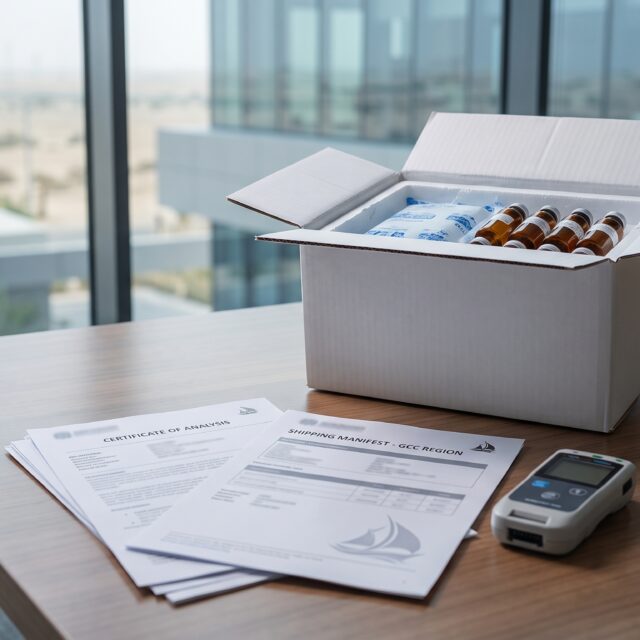
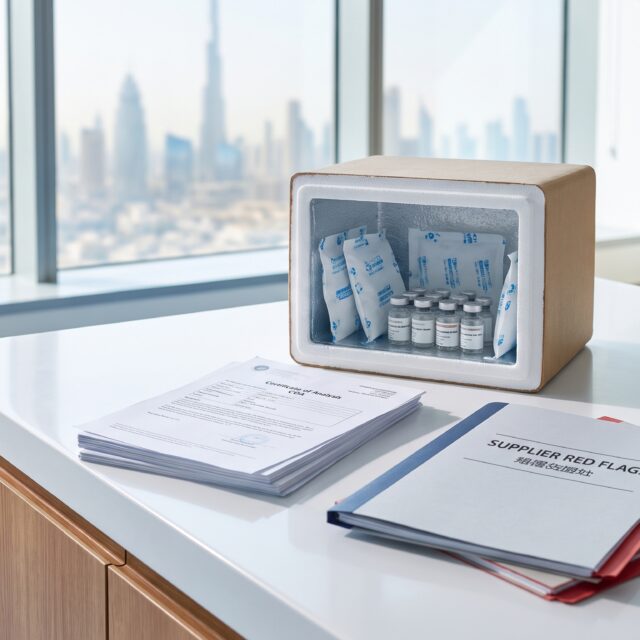
Reputable research peptide suppliers solve this transparency void by publishing independent, third-party lab reports. Before acquiring any RUO compound, buyers should verify the following on a supplier’s Certificate of Analysis:
- HPLC (High-Performance Liquid Chromatography): This test confirms the purity percentage by separating the mixture and identifying any synthesis byproducts or impurities. Look for a minimum purity of 99%.
- MS (Mass Spectrometry): This confirms the molecular weight of the peptide, ensuring the correct amino acid chain was synthesised without missing or substituted molecules.
- Independent Verification: The COA should not be an in-house document generated by the vendor. It should come from a recognised, independent analytical laboratory (such as Janoshik Analytical).
- Batch Matching: The batch number on the vial must match the batch number on the published report.
At NOVA Labs, we believe that strict chemical verification is the buyer’s ultimate safeguard. We actively publish comprehensive, third-party independent lab results for every batch, removing the guesswork from your procurement process.
Lyophilised Vials vs. Pre-Mixed Pens: Fighting the UAE Heat
The physical formatting of a peptide dramatically impacts its viability, especially in the Middle East. The climate in the UAE and wider GCC is unforgiving; ambient summer temperatures routinely exceed 45°C. This extreme heat dictates how biological compounds must be stored and transported.
Pharmacy peptides are commonly dispensed as pre-mixed liquid solutions. Once a peptide is reconstituted (mixed with bacteriostatic water), its molecular bonds become highly vulnerable to thermal degradation and physical agitation. If a pre-mixed clinical pen sits in a hot delivery van for even a few hours, the peptide can rapidly degrade, rendering the compound useless and potentially yielding inaccurate research data.
Research peptides, conversely, are shipped in a lyophilised state. Freeze-drying removes the water content, locking the peptide into a stable powder form. In this state, the compound is significantly more resilient to temperature fluctuations during transit. It remains dormant and structurally intact until the researcher is ready to reconstitute it in a controlled laboratory setting.
Navigating GCC Logistics and Local Sourcing
Beyond purity and format, the geographical location of your supplier dictates the integrity of your compounds upon arrival.
Historically, researchers in Dubai or Abu Dhabi have relied on importing RUO peptides from overseas vendors in the West or Asia. However, cross-border shipping introduces severe logistical friction:
- Customs Delays: Unregistered biochemical compounds often face lengthy holds at GCC customs checkpoints.
- Thermal Exposure: A customs hold means the package may sit in non-climate-controlled warehouses, exposing even lyophilised peptides to prolonged extreme heat.
- Seizure Risks: Vague paperwork can lead to total shipment forfeiture.
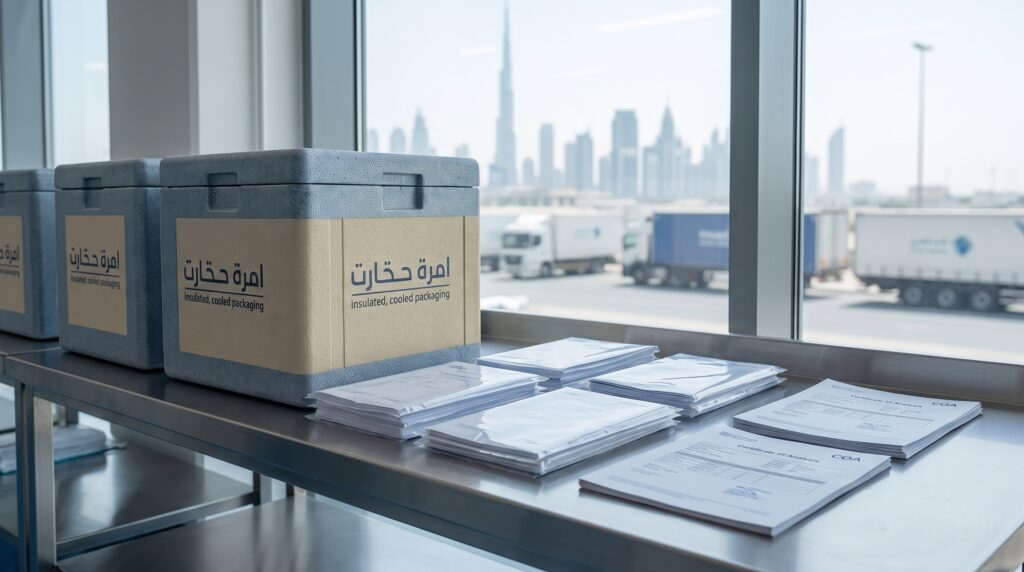
To secure the integrity of the compound, local sourcing is paramount. A domestic UAE supplier bypasses international customs friction entirely. NOVA Labs operates a localised fulfilment model in Dubai, maintaining active cold-chain logistics. By housing inventory locally, we ensure that premium lyophilised peptides are dispatched via secure, next-day courier across the UAE, arriving in pristine condition without the risk of border delays or thermal destruction.
Research Peptides vs Pharmacy Peptides UAE: Making the Choice
When finalising your sourcing strategy, the choice between clinical compounds and RUO reagents depends entirely on the application and the level of data transparency required.
If you are a laboratory technician, a procurement officer, or an independent researcher requiring absolute control over your experiments, research peptides offer distinct advantages:
- Unmatched Transparency: Access to raw-material HPLC/MS data that local clinics rarely provide.
- Thermal Stability: Lyophilised vials survive the GCC climate, whereas pre-mixed liquids are highly fragile.
- Cost Efficiency: Bypassing the markup of clinical consultation and sterile compounding facilities allows researchers to access premium compounds at a fraction of the price.
- Controlled Reconstitution: You retain complete control over the diluent and concentration used in your assays.
Bottom Line
The core of the research peptides vs pharmacy peptides debate rests on what the buyer values most: clinical convenience or scientific precision. For those conducting analytical work in the GCC, acquiring verifiable, highly stable, and cost-effective reagents is non-negotiable. By insisting on third-party COAs and locally managed cold-chain logistics, researchers can confidently bypass the opacity of the compounded market.
If you require verifiable chemical precision for your laboratory operations, explore our complete research peptide catalog to view our latest independent batch reports and secure next-day UAE delivery.
Disclaimer: The products mentioned in this article are for research purposes only and are not intended for human consumption.
*
References
- United States Pharmacopeia (USP) General Chapter <797> Pharmaceutical Compounding—Sterile Preparations.
- Industry standards for High-Performance Liquid Chromatography (HPLC) and Mass Spectrometry (MS) in peptide synthesis verification.
- Thermal degradation profiles of lyophilised vs. aqueous biological formulations in high-ambient temperature zones.
- Research Peptides vs Pharmaceutical Grade: Why the Difference Could Harm You | Meto
- Peptides : r/dubai – Reddit
- Nova Biolabs vs Peptide Tech UAE Dubai: 2026 Buyer – NOVA Labs
- Nova Biolabs vs Peptide Lab GCC: Buyer Comparison & Guide
Frequently asked questions
Are research peptides the same as pharmacy peptides?
Chemically, the molecular sequence can be the same, but they differ in classification, formatting, and transparency. Pharmacy peptides are pre-mixed liquids formulated for clinical use, while research peptides are stable, lyophilised powders meant strictly for laboratory analysis.
Why do compounding pharmacies often lack raw-material COAs?
Compounding pharmacies focus on sterile preparation and clinical dispensing rather than providing the end-user with raw active pharmaceutical ingredient (API) data. Reputable research suppliers, however, publicly post independent HPLC and MS testing for every batch.
Why are lyophilised research peptides better for the UAE climate?
Lyophilised (freeze-dried) powders are highly resilient to thermal degradation compared to pre-mixed liquids. This stability is essential to protect the integrity of the compounds during transit in the extreme heat of the UAE and GCC.
How can I verify the purity of a research peptide before buying?
Always check for an independent, third-party Certificate of Analysis (COA) from a recognised testing facility. Look specifically for High-Performance Liquid Chromatography (HPLC) results showing 99%+ purity and Mass Spectrometry (MS) confirming the correct molecular weight.
Nova Labs buyer tools
Ready to verify stock, testing and delivery?
Use the product page and lab report section to check availability, documentation, delivery timing and support before placing an order.
- COA / test-report checks
- UAE delivery context
- Cold-chain handling
- COD and card payment options
- WhatsApp support