
Sourcing high-purity research peptides in the UAE requires strict attention to logistics and analytical testing. For laboratories, procurement staff, and independent researchers looking to buy tb-500 abu dhabi, the local market offers everything from imported stock to locally fulfilled, HPLC-verified compounds. However, not all suppliers maintain the rigorous testing, transparency, and thermal protection required to deliver viable, pure compounds.
TB-500, a synthetic fragment of the naturally occurring protein Thymosin Beta-4, is heavily utilized in cellular assays focusing on tissue repair, actin upregulation, and inflammatory response research. Because of its fragile molecular structure, sourcing this compound in the Middle East demands strict adherence to temperature controls and verifiable purity standards.
This guide breaks down exactly how to evaluate a TB-500 supplier in Abu Dhabi, what to look for on a Certificate of Analysis (COA), and why domestic cold-chain fulfillment is non-negotiable for research integrity.
The Best Ways to Buy TB-500 Abu Dhabi
To buy TB-500 in Abu Dhabi reliably, choose a domestic UAE-based supplier that provides third-party HPLC testing, batch-specific Certificates of Analysis, and cold-chain shipping. Local fulfillment bypasses international customs delays and protects fragile lyophilized peptides from extreme Middle Eastern temperatures during transit.
Historically, researchers in the GCC have had to rely on international vendors to source their compounds. While this provides access to a global market, importing biological research materials into the UAE introduces significant friction. Packages shipped from North America or Europe often face multi-week transit times and unpredictable customs clearance processes. During these delays, packages can sit in unconditioned warehouses, exposing the contents to degrading heat.
By choosing a supplier that stocks and ships from within the UAE, buyers eliminate customs confiscation risks, avoid import duties, and reduce transit times from weeks to mere hours. Domestic suppliers specializing in research compounds ensure that the vital cold-chain remains intact from their local facility directly to your laboratory doors in Abu Dhabi.
Essential Checks for a TB-500 Supplier Abu Dhabi
Not all peptides are synthesized equally. A reliable TB-500 peptide abu dhabi vendor should operate with complete transparency regarding their quality assurance protocols. Before placing an order, buyers must look beyond marketing claims and verify hard data.
Batch-Specific Certificates of Analysis (COA)
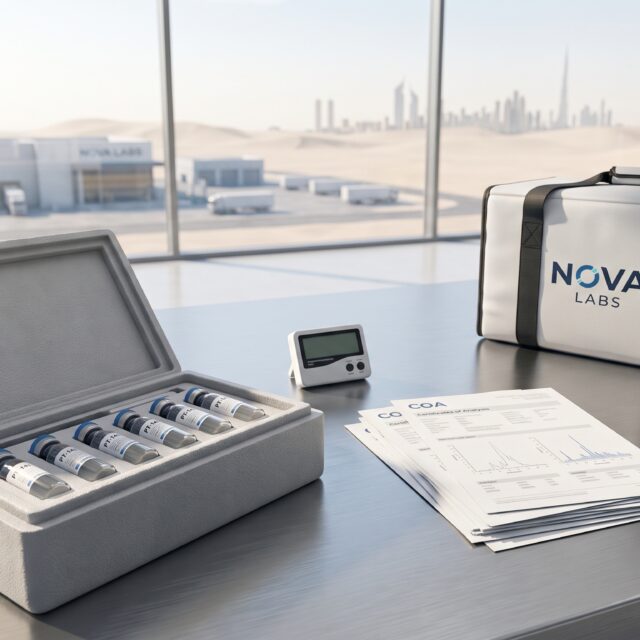
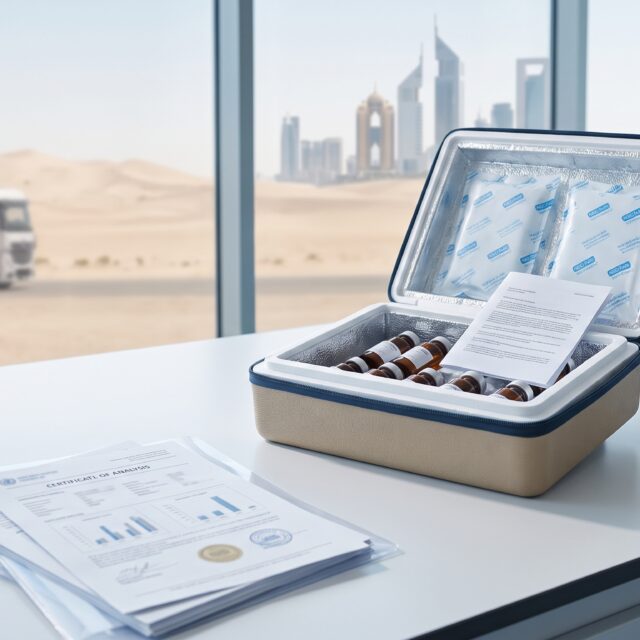
Any legitimate supplier will readily provide a COA for their current stock. A valid COA should not be a generic, undated document. It must correspond directly to the batch you are purchasing. The industry standard for high-level research demands a purity rating of 99% or higher. Anything less introduces unwanted synthesis byproducts into your experiments, potentially skewing assay results.
High-Performance Liquid Chromatography (HPLC) and Mass Spectrometry (MS)
Do not just look at the percentage number on a COA; verify the methodology. The purity should be determined via HPLC, which separates the peptide mixture to identify impurities. Mass Spectrometry (MS) should accompany this to verify the exact molecular weight of the TB-500 fragment, confirming that the compound in the vial matches the structural formula you expect. A supplier that freely publishes these chromatograms demonstrates a commitment to verifiable quality.
Defeating the GCC Heat: Why Cold-Chain Delivery Matters
The climate in Abu Dhabi is notoriously harsh, with summer temperatures routinely exceeding 45°C (113°F). Peptides are composed of delicate amino acid chains that are highly susceptible to thermal degradation. Even in their stabilized, lyophilized (freeze-dried) state, extended exposure to high heat can break down the molecular bonds, rendering the compound inert or less effective for research purposes.
Standard courier services do not utilize temperature-controlled environments for small parcels. If you order TB-500 abu dhabi from an international vendor, the package may spend days in transit and hours in a hot delivery van.
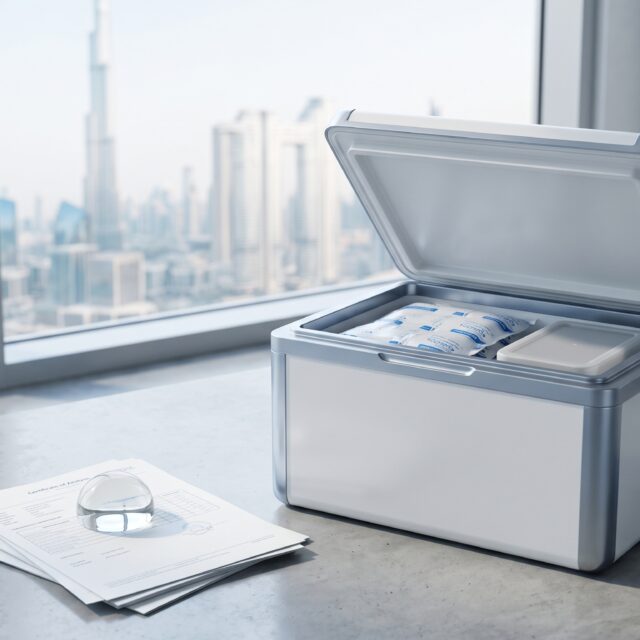
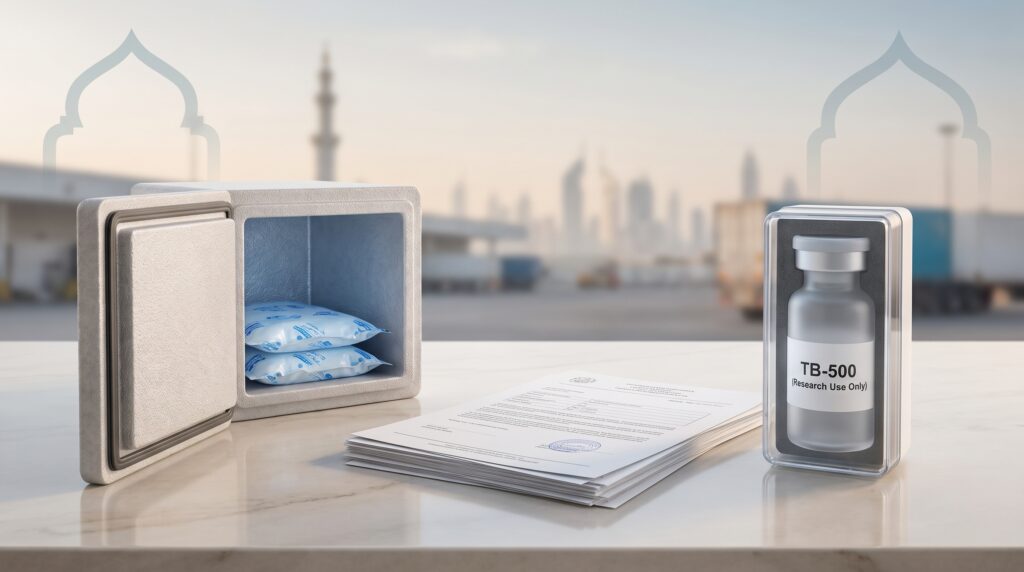
This is why local, cold-chain fulfillment is critical. Premium domestic suppliers utilize insulated thermal packaging, specialized refrigerants, and expedited dispatch protocols to ensure the internal temperature of the package remains stable. If you are conducting time-sensitive laboratory research, you can rely on robust local logistics. NOVA Labs, for example, provides highly reliable UAE next day delivery ensuring your compounds arrive in pristine, uncompromised condition.
Evaluating the Market: Clinics vs. Research Suppliers
The peptide sourcing landscape in Abu Dhabi is generally divided into two distinct sectors: licensed compounding clinics and specialized research suppliers.
Licensed wellness and compounding clinics cater to individuals seeking physician-guided therapies. These facilities operate under strict clinical regulations and provide end-to-end medical services, which naturally come with a significant premium in pricing to cover consultations, administration, and medical oversight.
On the other hand, independent laboratories and informed buyers typically procure compounds from specialized research suppliers. These suppliers provide raw, lyophilized vials strictly for in vitro laboratory and analytical research. This route is vastly more cost-effective and provides researchers with the flexibility to dictate their own assay parameters, provided they possess the technical knowledge to handle, reconstitute, and store the compounds correctly.
Payment Options and WhatsApp Support in the UAE
A modern, reliable supplier in the UAE should offer payment and support infrastructure tailored to the local market. Bypassing international payment gateways and long email response times is a major advantage of domestic procurement.
High-intent buyers in the GCC expect flexible transaction options. Trustworthy suppliers will often offer Cash on Delivery (COD), providing peace of mind for first-time buyers who want to inspect the delivery before handing over funds. Additionally, local bank transfers and Buy-Now-Pay-Later (BNPL) services like Tabby are becoming standard indicators of an established, locally integrated business.
Furthermore, customer support in the UAE runs on WhatsApp. The best suppliers leverage WhatsApp not just for inquiries, but for live order tracking, immediate stock checks, and rapid resolution of delivery logistics. If a supplier is difficult to reach or relies solely on an automated ticketing system, it may indicate a lack of local operational presence.
Formats and Synergies: How to Order TB-500 Abu Dhabi
When preparing to order TB-500, buyers will find it is typically supplied in lyophilized vials of various yields, most commonly 2mg, 5mg, or 10mg. The powder must be carefully reconstituted using bacteriostatic water before it can be utilized in fluidic cellular assays.
In the context of tissue repair and inflammatory research, TB-500 is frequently studied in tandem with BPC-157. While TB-500 is observed for its role in cellular migration and actin up-regulation, BPC-157 is studied for its distinct mechanisms involving angiogenesis (the formation of new blood vessels). Many researchers evaluate both compounds concurrently to observe synergistic mechanisms in cellular healing models. Some suppliers even provide pre-blended vials of these two compounds to ensure exact stoichiometric ratios for parallel laboratory testing.
Bottom Line and Next Steps
Sourcing high-purity TB-500 in Abu Dhabi does not have to be an exercise in navigating customs delays or risking temperature degradation. By prioritizing domestic UAE suppliers that offer transparent, batch-specific HPLC testing and insulated cold-chain logistics, researchers can secure premium compounds efficiently and safely. Always verify the COA, ensure local WhatsApp-backed customer service, and select fulfillment methods designed to beat the Middle Eastern heat.
If you are ready to secure rigorously tested compounds for your laboratory, explore the NOVA Labs catalog to browse HPLC-verified vials backed by dedicated UAE fulfillment.
Disclaimer: The products mentioned in this article are for research purposes only and are not intended for human consumption or therapeutic use.
References
- Goldstein, A. L., Hannappel, E., & Kleinman, H. K. (2005). Thymosin beta4: actin-sequestering protein moonlights to repair injured tissues. Trends in Molecular Medicine, 11(9), 421-429.
- Philp, D., Nguyen, M., Scheremeta, B., St-Surin, S., Villa, A. M., Orgel, A., … & Kleinman, H. K. (2004). Thymosin beta4 increases hair growth by activation of hair follicle stem cells. The FASEB Journal, 18(2), 385-387.
- NOVA Labs (2024). Quality Assurance & Cold-Chain Logistics Protocol for GCC Peptide Delivery.
- BPC-157 and TB-500 UAE: Tissue Repair Research Peptide Combo Guide (2026)
- TB-500 – Emirates Peptides
- How to Choose a Reliable Peptide Supplier in UAE – CureCell
- Buy Retatrutide Abu Dhabi: Local Sourcing & COA Guide – NOVA Labs
- Shipping Policy – Limitless Wellness
- Buy TB500 UAE For Lab Research
- Buying Research Peptides in the UAE: 2026 Guide
- Peptides Dubai — Free Doctor Consult & Same-Day UAE Delivery – Limitless Wellness
Frequently asked questions
How long does TB-500 delivery take in Abu Dhabi?
When ordering from a domestic UAE supplier with local stock, TB-500 delivery to Abu Dhabi typically takes 1 to 2 business days. This avoids the multi-week delays and customs friction commonly associated with international shipping.
Why is cold-chain shipping necessary for peptides in the UAE?
Peptides are structurally fragile and can quickly degrade when exposed to the extreme ambient temperatures of the Middle East. Cold-chain shipping utilizes thermal insulation and refrigerants to maintain molecular stability during transit.
What should I look for on a TB-500 Certificate of Analysis (COA)?
A reliable COA should display a batch-specific date, a purity level of 99% or higher, and verifiable High-Performance Liquid Chromatography (HPLC) chromatograms to prove the absence of synthesis impurities.
Can I pay for research peptides with Cash on Delivery (COD) in Abu Dhabi?
Yes, many established domestic research suppliers in the UAE offer Cash on Delivery (COD), local bank transfers, and Buy-Now-Pay-Later options to ensure secure and flexible local transactions.
Is TB-500 available for human use in Abu Dhabi?
Through specialty research suppliers, TB-500 is sold strictly as a lyophilized chemical compound for in vitro laboratory research, cellular assays, and analytical testing. It is not sold for human consumption.
Nova Labs buyer tools
Ready to verify stock, testing and delivery?
Use the product page and lab report section to check availability, documentation, delivery timing and support before placing an order.
- COA / test-report checks
- Abu Dhabi delivery context
- Cold-chain handling
- COD and card payment options
- WhatsApp support