

Sourcing research peptides in the UAE demands careful scrutiny of supplier claims, logistical capabilities, and laboratory documentation. For investigators looking to buy MOTS-c in Abu Dhabi, the decision goes beyond simply finding the lowest price. The region’s intense climate, combined with the delicate nature of peptide compounds, makes cold-chain logistics and verifiable third-party purity reports critical components of a successful procurement process.
Whether you are managing purchasing for a regional laboratory or evaluating the local market for specific in-vitro studies, understanding the documentation, pricing tiers, and delivery protocols of UAE suppliers is essential. This guide outlines how to evaluate vendors, what to look for in a Certificate of Analysis (COA), and how to secure reliable stock in the Emirate.
Where to Buy MOTS-c Abu Dhabi Safely
To safely buy MOTS-c in Abu Dhabi, researchers must prioritize suppliers providing independent, batch-specific Certificates of Analysis (COAs). Due to the harsh UAE climate, always verify that your vendor utilizes reliable temperature-controlled cold-chain logistics and offers responsive local delivery support.
Navigating the local market requires distinguishing between suppliers who merely import bulk products and those who invest in rigorous third-party verification. The best research-grade vendors make their analytical testing visible before you even reach the checkout page. In the UAE, the peptide landscape is generally divided into two distinct categories: Research Use Only (RUO) lyophilized compounds and prescription-only compounding pharmacy therapies. Understanding this distinction is the first step in making an informed purchasing decision.
Understanding MOTS-c in Research Contexts
MOTS-c (Mitochondrial Derived Peptide) is a relatively unique compound in the scientific community because it is encoded by the mitochondrial genome rather than nuclear DNA. In laboratory environments and in-vitro studies, researchers heavily focus on its role in cellular metabolism, particularly its interaction with the folate-methionine cycle and AMPK activation.
Current research investigates how MOTS-c influences metabolic homeostasis, glucose handling, and cellular stress responses. Because it acts on skeletal muscle to promote metabolic flexibility, it remains a high-interest subject in studies exploring mitochondrial function and energy regulation.
It is vital to note that research-grade MOTS-c is synthesized specifically for these types of controlled laboratory studies. Reputable suppliers in Abu Dhabi and across the UAE market these products strictly for research and laboratory use, ensuring compliance with local regulations and emphasizing that they are not intended for human consumption.
Buyer Checklist: What Matters Most When Selecting a Supplier
When evaluating a MOTS-c supplier in Abu Dhabi, generic claims of “99 percent purity” are insufficient without tangible proof. Use this evaluation checklist to ensure you are sourcing a high-quality compound:
- Batch-Specific COAs: The vendor must provide recent, batch-linked Certificates of Analysis. Look for documentation from recognized independent testing laboratories (such as Janoshik) rather than unverified, in-house documents.
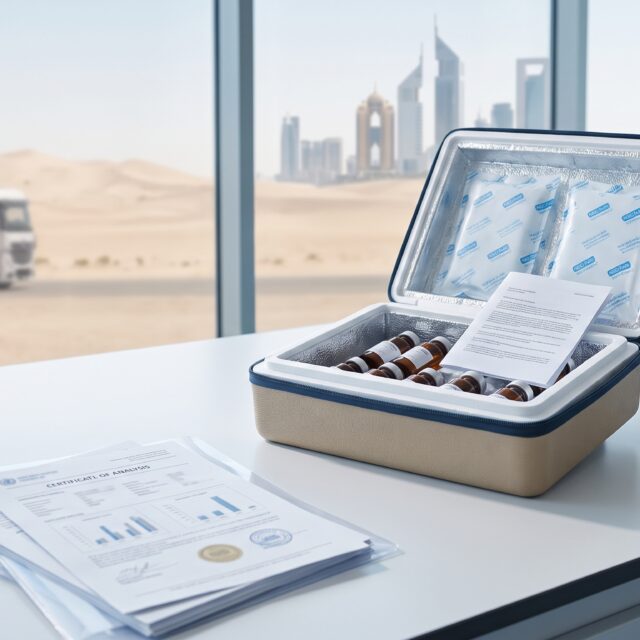
- HPLC and Mass Spectrometry: A valid COA must include High-Performance Liquid Chromatography (HPLC) to verify purity percentages, alongside Mass Spectrometry (MS) to confirm the exact molecular weight and identity of the peptide.
- Lyophilized Vials vs. Pre-mixed Pens: For research stability, traditional lyophilized (freeze-dried) vials are vastly preferred. They remain stable longer in fluctuating temperatures prior to reconstitution. Pre-mixed liquid pens degrade much faster if the cold chain is broken.
- Transparent Pricing: Be aware of market standards. High-quality 10mg lyophilized vials typically range from AED 219.00 to AED 250.00. Multi-dose pens or clinical therapies range from AED 750.00 up to AED 3,800.00 depending on the clinical setting.
- Local Logistics: International shipping introduces customs friction and severe temperature risks. A local UAE supplier bypasses these hurdles.
Cold-Chain Logistics: Delivering Peptides in the UAE Climate
One of the most significant challenges of sourcing research peptides in the Gulf region is the climate. Peptides consist of delicate amino acid chains that can degrade when exposed to excessive heat or UV light. While lyophilized MOTS-c is considerably more stable than reconstituted liquid, prolonged exposure to the intense Abu Dhabi heat during transit can compromise the structural integrity of the compound.
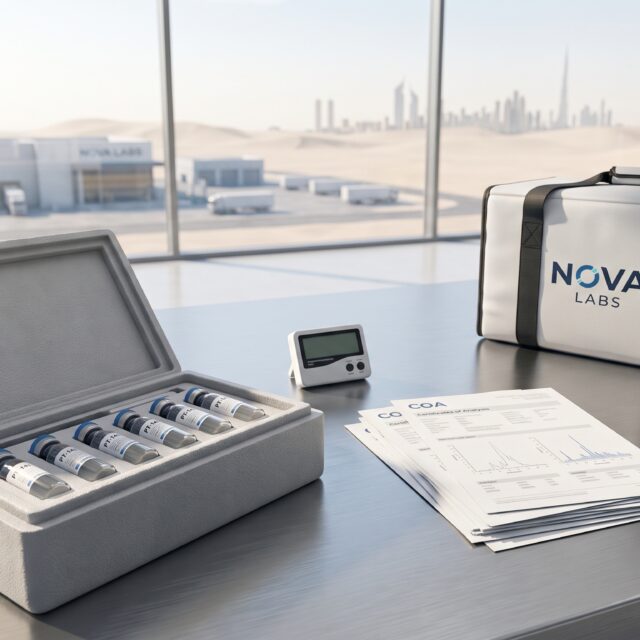
This makes temperature-controlled cold-chain logistics a non-negotiable requirement. Suppliers utilizing standard courier networks without climate considerations risk delivering degraded products. Look for vendors who dispatch orders in insulated packaging with specialized cold packs.
Furthermore, time in transit must be minimized. Vendors offering rapid dispatch ensure that the product spends as little time out of deep storage as possible. Partnering with a supplier who offers fast UAE peptide delivery with reliable temperature controls is crucial for protecting the viability of your research materials.
Research-Grade Vials vs. Clinical Options
When searching for a MOTS-c supplier in Abu Dhabi, you will encounter both research-use vials and clinical compounding pharmacy solutions.
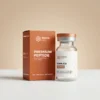
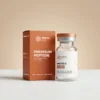
Research-grade MOTS-c is sold in a lyophilized powder form, sealed in sterile vials. This presentation is the gold standard for laboratory settings because it allows researchers to control the reconstitution process using bacteriostatic water, measuring precise aliquots required for their specific assays. It is also the most cost-effective method per milligram.
Conversely, clinical therapies and pre-filled pens are designed for entirely different markets. These are pre-mixed, heavily regulated, and come at a premium price point (often exceeding AED 1,000). For laboratory investigators and buyers focusing strictly on chemical and biological assays, the lyophilized vial remains the most logical, stable, and compliant choice.
Evaluating Payment, Support, and Availability
The convenience of procurement is another major factor for buyers in the UAE. Navigating payment gateways and communicating with vendors shouldn’t be a frustrating process. Leading suppliers in the region have adapted to local preferences to streamline the buying experience.
Look for suppliers who offer Cash on Delivery (COD) options within the UAE. COD provides an extra layer of buyer confidence, allowing procurement staff to receive the physical package before funds are exchanged. Additionally, the availability of instant messaging support, particularly via WhatsApp, is a strong indicator of reliable customer service. Being able to quickly confirm stock levels, request the latest COA, or track a delivery in real-time adds immense value to the procurement process.
Sourcing Your Research Peptides with NOVA Biolabs
For laboratories seeking a dependable source of MOTS-c in Abu Dhabi, NOVA Labs provides a streamlined, secure, and fully documented purchasing experience. We understand the stringent requirements of UAE researchers and the logistical hurdles posed by the regional climate.
NOVA Labs prioritizes analytical transparency, ensuring researchers have access to batch-specific testing data before committing to a purchase. By combining verifiable purity with robust cold-pack shipping and rapid local dispatch, we protect the stability of every vial from our facility to your laboratory.
We also support local procurement preferences, offering secure online payments, UAE Cash on Delivery, and direct WhatsApp support for immediate inquiries regarding stock and documentation. If you are preparing your next series of metabolic studies, you can confidently order MOTS-c vials directly from our specialized UAE catalog.
Conclusion
Choosing to buy MOTS-c in Abu Dhabi does not have to be a complicated process if you know which signals to look for. By prioritizing independent HPLC and Mass Spectrometry COAs, insisting on cold-chain logistics, and selecting lyophilized vials for optimal stability, you can ensure that your laboratory is equipped with high-quality, viable compounds. Always partner with suppliers who respect the science, offer transparent local support, and understand the unique demands of the UAE market.
Disclaimer: The products mentioned in this article are strictly for research and laboratory use only. They are not intended for human consumption, diagnostic, or therapeutic purposes.
References:
- Market pricing and local compounding data sourced from UAE clinical and RUO suppliers (e.g., Elysium Peptides, RegenMed, Mr. Peps, CureCell) as of current market analysis.
- Independent analytical testing standards referenced via Janoshik analytical laboratory protocols.
- Scientific literature regarding Mitochondrial Derived Peptides (MDPs) and AMPK activation pathways in skeletal muscle models.
Disclaimer: The products mentioned in this article are for research purposes only and are not intended for human consumption.
References
- Peptides Compounding Pharmacy Dubai – CureCell
- Mots-c Pen – 99 percent Purity, Third-Party Tested – RegenMed
- MOTS-c – Mr. Peps
- NOVA Biolabs – Verified Peptide Vendor in Dubai
- Peptide Therapy In Dubai – Enfield Royal Clinic Dubai
Frequently asked questions
How much does MOTS-c cost in the UAE?
Research-grade 10mg lyophilized vials typically cost around AED 220, while pre-mixed pens or clinical options range from AED 750 to over AED 1,000 depending on the provider and setting.
What should I look for in a MOTS-c COA?
A valid Certificate of Analysis should include third-party High-Performance Liquid Chromatography (HPLC) and Mass Spectrometry results verifying the peptide's purity percentage and exact molecular identity.
Does MOTS-c require refrigerated shipping in Abu Dhabi?
While lyophilized MOTS-c is relatively stable, it should ideally be shipped using temperature-controlled cold-chain logistics and insulated packaging to prevent degradation during transit in the hot UAE climate.
What is the difference between research-grade MOTS-c and clinical therapies?
Research-grade MOTS-c is sold strictly as a lyophilized compound for laboratory study and in-vitro testing, whereas clinical therapies involve prescribed, ready-to-use formulas administered by medical professionals.
Nova Labs buyer tools
Ready to verify stock, testing and delivery?
Use the product page and lab report section to check availability, documentation, delivery timing and support before placing an order.
- COA / test-report checks
- Abu Dhabi delivery context
- Cold-chain handling
- COD and card payment options
- WhatsApp support