

GHK-Cu vs BPC-157: Core Differences in Research
Quick Answer: The primary difference between GHK-Cu and BPC-157 lies in their research applications. GHK-Cu is a copper-binding tripeptide utilized in studies evaluating extracellular matrix remodeling and collagen synthesis. Conversely, BPC-157 is a synthetic 15-amino-acid peptide investigated for localized structural tissue repair and angiogenesis.
When evaluating GHK-Cu vs BPC-157, researchers must compare their distinct structural classes, synthesis complexities, and investigative pathways. GHK-Cu is primarily researched for its systemic influence on the extracellular matrix, serving as a delivery vehicle for copper ions crucial to enzymatic function. In contrast, BPC-157 is widely studied for its profound effects on localized tissue integrity, targeting areas with notoriously poor blood supply such as ligaments and tendons.
For procurement staff and laboratory investigators in the UAE, selecting the appropriate compound requires more than just understanding these molecular pathways. It demands rigorous evaluation of analytical documentation, adherence to strict local compliance frameworks, and navigating logistics capable of protecting sensitive compounds from the extreme GCC heat. Below, we examine how these two highly studied compounds differ structurally, what published research focuses on, and the vital documentation required before introducing either into a laboratory environment.
Structural Profiles: Tripeptides vs Pentadecapeptides
The fundamental difference between GHK-Cu and BPC-157 begins at the structural level. Their molecular composition dictates their stability, binding affinities, and how they interact within in vitro and in vivo models.
GHK-Cu (Glycyl-L-histidyl-L-lysine) is a naturally occurring copper-binding tripeptide. Its structure is relatively small, allowing it to easily bind with copper ions (Cu2+). This copper-peptide complex is essential for its observed mechanistic properties in research, specifically acting as a carrier for copper delivery to cellular sites where it can influence enzymatic activity. Due to its size and specific binding nature, researchers must handle it carefully to prevent degradation or unintentional cleavage of the peptide chain. The distinct blue hue of the lyophilized powder is an inherent characteristic of the copper ion complex.
BPC-157 (Body Protection Compound 157) is a synthetic 15-amino-acid sequence (a pentadecapeptide). It is a partial sequence derived from a naturally occurring protective protein originally isolated from human gastric juice. Structurally, BPC-157 is significantly larger than GHK-Cu. Its complex amino acid chain provides a high degree of inherent chemical stability, making it highly resilient in various acidic and temperature-fluctuating environments compared to many other peptides. This robust structural profile makes it highly favored in diverse experimental conditions.
GHK-Cu in Research: Extracellular Matrix and Collagen
In preclinical literature, GHK-Cu is widely investigated for its systemic influence on the extracellular matrix (ECM). Because copper is a critical cofactor for numerous enzymes (such as lysyl oxidase, which cross-links collagen and elastin), researchers frequently study GHK-Cu in models of dermal regeneration and systemic wound remodeling.
According to published research, GHK-Cu has been observed to influence the expression of over 4,000 distinct genes. Laboratory models primarily utilize GHK-Cu to observe how it:
- Stimulates the synthesis of collagen and glycosaminoglycans in skin fibroblasts.
- Modulates the action of matrix metalloproteinases, which are responsible for breaking down damaged tissue proteins.
- Attracts immune and endothelial cells to sites of tissue damage.
- Reduces oxidative stress damage in isolated cellular assays.
When evaluating whether to utilize GHK-Cu or BPC-157, investigators focused on broad, systemic extracellular matrix remodeling, collagen synthesis pathways, or dermal tissue architecture typically lean toward GHK-Cu as their primary experimental reagent.
BPC-157 in Research: Structural Repair and Angiogenesis
While GHK-Cu focuses heavily on the extracellular matrix and copper delivery, BPC-157 is heavily researched for its localized tissue repair properties, particularly concerning soft tissues that typically suffer from poor blood supply.
Research on BPC-157 frequently investigates its role in upregulating Vascular Endothelial Growth Factor (VEGF). This mechanism promotes angiogenesis—the formation of new blood vessels from pre-existing vessels. In laboratory models, researchers evaluate BPC-157 to observe its impact on:
- Accelerating the healing velocity of transected tendons and torn ligaments (such as Achilles tendon-to-bone healing models).
- Protecting and repairing the endothelial lining of the gastrointestinal tract under chemically induced stress.
- Mediating cellular survival and reducing localized inflammatory markers.
- Influencing the nitric oxide (NO) system to promote vasodilation and localized blood flow.
For research protocols specifically targeting localized structural healing, tendon repair models, or gastrointestinal lining integrity, BPC-157 remains a primary subject of investigation in the literature.
Ensuring Analytical Purity: Reading a Janoshik COA
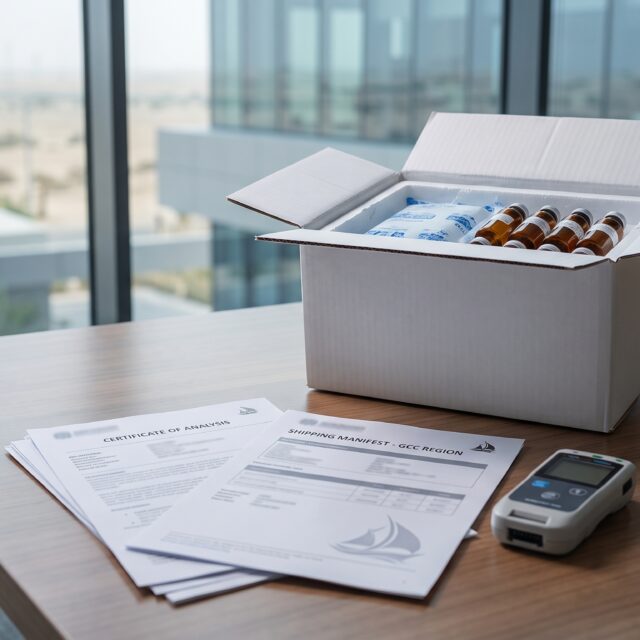
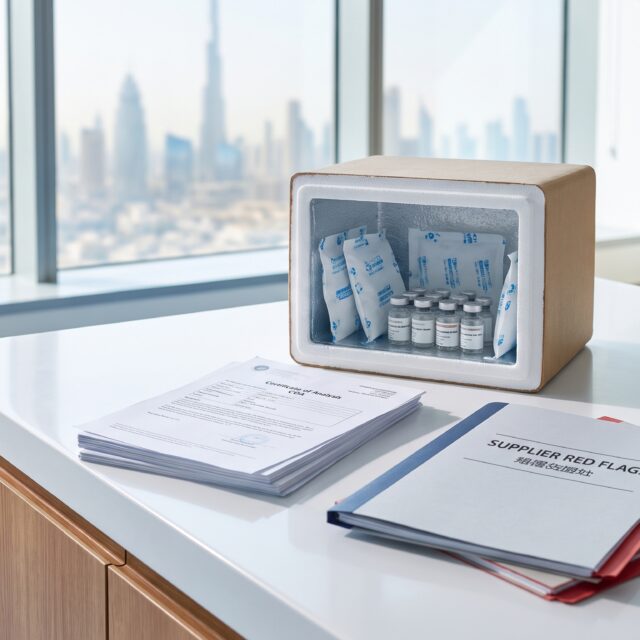
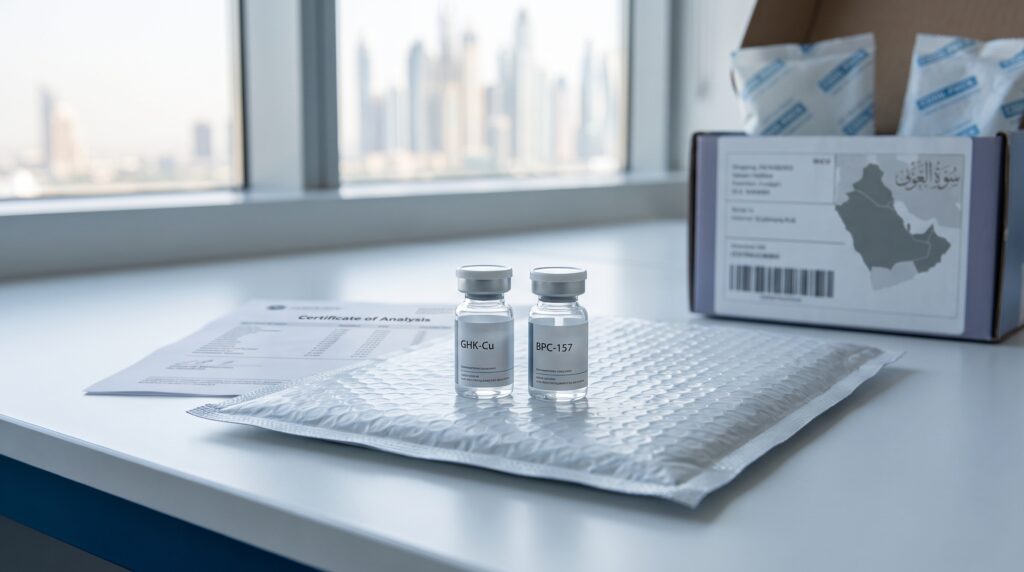
Regardless of the compound selected, the validity of experimental outcomes hinges entirely on reagent purity. Even minor synthesis impurities or truncated amino acid sequences can drastically alter cellular responses in vitro, ruining months of experimental data. To mitigate these variables, procurement teams must verify independent, third-party Certificates of Analysis (COAs).
When reviewing documentation from analytical testing facilities like Janoshik, laboratories should verify three critical methodologies:
- High-Performance Liquid Chromatography (HPLC): Confirms the vial contains the stated percentage of the target peptide without fragmented amino acid chains or synthesis byproducts. A minimum purity of 99% is the standard for reliable research.
- Mass Spectrometry (MS): Verifies the exact molecular weight of the compound, ensuring the peptide identity matches the structural sequence exactly.
- Heavy Metals and Contaminants Testing: Crucial for preventing cellular toxicity in delicate in vitro cell culture models.
NOVA Labs prioritizes analytical transparency by providing accessible, third-party transparent Janoshik COAs for our entire catalog. This guarantees UAE researchers can verify HPLC purity and Mass Spectrometry identity before placing any order, ensuring absolute confidence in their reagents.
Navigating Compliance and Sourcing in the UAE
Understanding the research applications of these compounds is only half the equation; successfully procuring them in the UAE requires navigating a stringent regulatory landscape. The UAE government strictly monitors the importation and distribution of chemical compounds to ensure public safety and research integrity.
Under frameworks enforced by the Emirates Drug Establishment (EDE) and MoHAP, local laboratories and informed buyers must source from suppliers that maintain a strict Research Use Only (RUO) framework. This prevents the procurement of unauthorized or unsafe materials marketed illegally toward consumer clinical use.
At NOVA Labs, we align our operations entirely with UAE regulations. We supply analytical-grade reagents strictly for laboratory research, completely distinct from the consumer medical market. This ensures our buyers avoid the friction of customs seizures or regulatory non-compliance when acquiring essential research materials.
Beating the Heat: Local Logistics and Support in the GCC
One of the most significant challenges for researchers operating in Dubai, Abu Dhabi, or the wider GCC is the extreme climate. Peptides, particularly fragile structures like GHK-Cu, are highly susceptible to thermal degradation. Prolonged exposure to temperatures exceeding 30°C during transit can denature the compound, rendering it useless for precise analytical work.
Local procurement offers distinct logistical advantages over international sourcing. By sourcing within the UAE, researchers eliminate the extensive transit times, erratic temperature fluctuations, and unpredictable customs delays associated with overseas shipping. NOVA Labs implements strict cold-chain handling protocols and temperature-controlled storage prior to dispatch, ensuring molecular integrity is preserved from our facility directly to your laboratory bench.
Furthermore, sourcing locally provides laboratories with superior customer support. Whether procurement teams require specific batch testing data, bulk order processing via secure payment gateways, or direct communication through dedicated channels like WhatsApp, localized service ensures laboratory operations remain uninterrupted.
Conclusion: Selecting the Right Reagent
The choice between these two compounds ultimately depends on the specific pathways targeted by the investigative protocol. GHK-Cu remains the primary candidate for studies focused on extracellular matrix remodeling, collagen upregulation, and copper-dependent enzymatic pathways. BPC-157 is optimally suited for models analyzing localized structural repair, angiogenesis, and gastrointestinal tissue integrity.
For UAE researchers, evaluating these compounds also requires a supplier capable of delivering verified purity, transparent documentation, and climate-controlled logistics. Explore NOVA Labs’ complete catalog to source compliant, analytically verified reagents for your next laboratory protocol.
Disclaimer: The products mentioned in this article are for research purposes only and are not intended for human consumption, therapeutic use, or medical treatment.
References
- Pickart L, Margolina A. (2018). Regenerative and Protective Actions of the GHK-Cu Peptide in the Light of the New Gene Data. International Journal of Molecular Sciences, 19(7), 1987.
- Sikiric P, et al. (2016). Brain-gut Axis and Pentadecapeptide BPC 157: Theoretical and Practical Implications. Current Neuropharmacology, 14(8), 857-865.
- UAE Ministry of Health and Prevention (MoHAP) – Guidelines on Medical and Chemical Products.
- NOVA Labs – Laboratory Analytical Purity Standards.
- HPLC Tested Peptides UAE: COA and Purity Checklist – NOVA Labs
- (PDF) BPC-157 and GHK-Cu in Wound Healing and Tissue Repair: A Review of Clinical Efficacy and Safety – ResearchGate
- Research Peptides UAE Regulatory Overview | VaultLabs Hub
- BPC-157 vs GHK-Cu | Healing Peptide Comparison (2026)
- UAE Cracks Down on Unapproved Peptide Weight-Loss Drugs: 71 Sources and 14 Influencers Face Action – Gulf News
- Lab Results – NovaLabs
Frequently asked questions
What is the main difference between GHK-Cu and BPC-157 in research?
GHK-Cu is a copper-binding tripeptide primarily studied for extracellular matrix remodeling and collagen synthesis. BPC-157 is a 15-amino-acid synthetic peptide heavily researched for its role in localized structural tissue repair and angiogenesis.
Does GHK-Cu or BPC-157 require different storage temperatures?
Both lyophilized peptides should be stored away from extreme heat, ideally in a freezer at -20°C for long-term stability. In the GCC, temperature-controlled logistics are required to prevent thermal degradation during transit.
How can I verify the purity of GHK-Cu vs BPC-157?
Purity must be verified using independent, third-party Certificates of Analysis (COAs) from reputable labs like Janoshik. Look for High-Performance Liquid Chromatography (HPLC) showing >99% purity and Mass Spectrometry (MS) to confirm molecular identity.
Are these research peptides compliant to purchase in the UAE?
Yes, provided they are strictly sourced and handled as Research Use Only (RUO) laboratory reagents. They must not be purchased, sold, or promoted for human consumption under UAE EDE and MoHAP regulations.
Why is BPC-157 considered more stable than GHK-Cu?
BPC-157 is a larger, more complex synthetic pentadecapeptide derived from gastric proteins, granting it higher inherent chemical stability in varying pH and temperature environments compared to the smaller, more fragile GHK-Cu tripeptide.
Nova Labs buyer tools
Ready to verify stock, testing and delivery?
Use the product page and lab report section to check availability, documentation, delivery timing and support before placing an order.
- COA / test-report checks
- UAE delivery context
- Cold-chain handling
- COD and card payment options
- WhatsApp support