


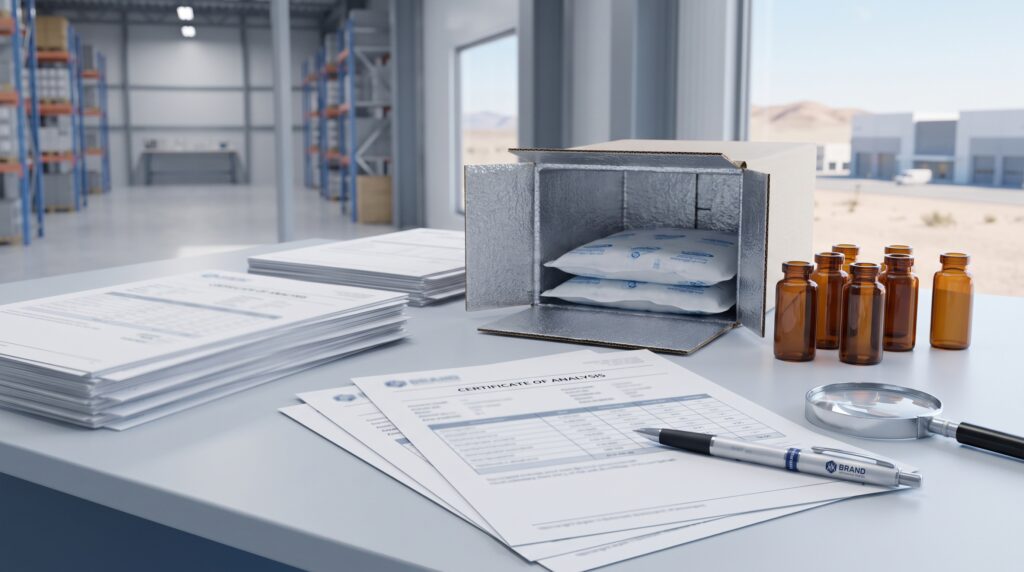
Procuring high-quality biochemicals in the GCC region demands a unique blend of scientific literacy and logistical awareness. For researchers, university laboratory directors, and procurement staff operating in Riyadh, Jeddah, and across the Kingdom, evaluating supplier documentation is only half the battle. You must also account for intense regional climates, strict customs regulations, and secure payment networks.
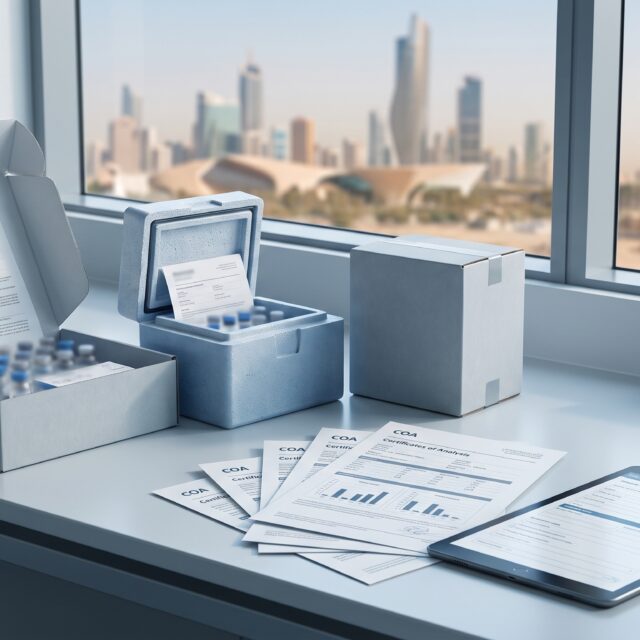
If you are evaluating biochemical suppliers for your next in vitro study, understanding how to read peptide coa saudi arabia documentation is your first line of defense against degraded or misrepresented compounds. A Certificate of Analysis (COA) is the definitive proof of a product’s chemical purity, identity, and stability. However, without knowing exactly which analytical metrics to look for—or how to definitively tie those metrics to the physical vial in your hands—a COA is simply a piece of paper.
This guide breaks down the essential components of a legitimate COA, how to verify batch numbers, advanced metrics like moisture and TFA content, and how to navigate the logistical realities of securing temperature-sensitive peptides in the Saudi Arabian market.
Quick Buyer Checklist: How to Read Peptide COA Saudi Arabia
When learning how to read peptide coa saudi arabia documentation, buyers must verify three core metrics: an HPLC report demonstrating at least 98% purity, a Mass Spectrometry graph confirming the exact molecular weight, and a unique batch number that perfectly matches the physical vial delivered to your laboratory.
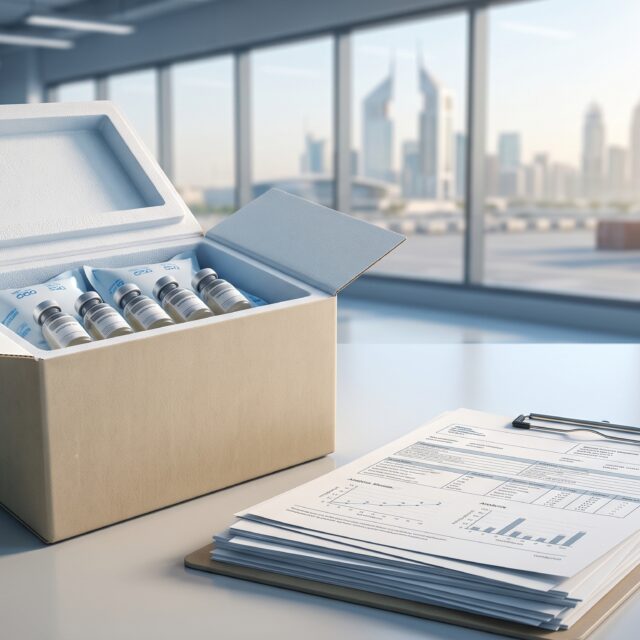
Once you have verified these baseline documents, your focus must immediately shift to local logistical factors: how the supplier packages the shipment to survive 45°C summer heat, and what specific documentation is required to seamlessly clear regional GCC customs.
Decoding the Core Analytics: HPLC and Mass Spectrometry
Any reliable how to read peptide coa guide saudi arabia researchers follow must start with the two primary pillars of biochemical testing: High-Performance Liquid Chromatography (HPLC) and Mass Spectrometry (MS). A legitimate research supplier will always provide both reports concurrently.
HPLC (High-Performance Liquid Chromatography)
HPLC is the industry standard method used to determine the chemical purity of a sample. It works by passing the sample through a pressurized column that separates the target peptide sequence from any leftover impurities, synthetic byproducts, or truncated amino acid chains created during the manufacturing process.
When looking at the HPLC section of a COA, you will see a graph called a chromatogram. The horizontal axis represents retention time (how long it took the molecule to pass through the column), and the vertical axis represents signal intensity, usually measured via UV detection at 214 nm or 220 nm, which are the optimal wavelengths for detecting peptide bonds.
You are looking for one massive, sharp peak that dominates the graph. The area under this primary peak is calculated as a percentage of the total area of all peaks combined. For high-level research applications, reputable laboratories target a purity threshold of 98% or higher. If a COA shows numerous small peaks scattered across the baseline, or a broad, poorly defined primary peak, it indicates a high level of impurities. Using impure peptides can introduce uncontrolled variables into your assays, heavily skewing research data.
Mass Spectrometry (MS)
While HPLC tells you how pure the powder is, it does not actually tell you what the powder is. That is the critical job of Mass Spectrometry, often performed via Electrospray Ionization (ESI-MS).
MS measures the mass-to-charge ratio of the ionized molecules in the sample. Every peptide chain has a highly specific theoretical molecular weight based on its exact sequence of amino acids. The MS graph will display peaks corresponding to these weights, often shown as M+H (meaning the mass plus one proton), or sometimes M+2H/2 for doubly charged ions.
To verify identity, you simply compare the observed mass peak on the MS report to the theoretical mass of the peptide sequence you ordered. If they match within a very narrow margin of error (typically ±1 Dalton), you have successfully verified the chemical identity of the compound.
Advanced COA Metrics: Moisture and TFA Content
Beyond basic identity and purity, top-tier COAs for research institutions will often feature secondary testing metrics that are highly relevant to sample stability and cellular toxicity.
Karl Fischer Moisture Testing:
Lyophilized (freeze-dried) peptides appear as a solid powder, but they can still retain trace amounts of water. The Karl Fischer titration method measures this residual moisture. In the harsh climate of the Middle East, excessive moisture inside a sealed vial can accelerate degradation during transit. A high-quality COA will typically show moisture content below 5%.
TFA (Trifluoroacetic Acid) Removal:
TFA is a strong acid used during the cleavage stage of solid-phase peptide synthesis. While standard synthesis leaves residual TFA bound to the peptide, specialized laboratories utilize counter-ion exchange processes to replace TFA with acetate or hydrochloride. If your research involves sensitive cell cultures, high TFA levels can alter the pH of the cellular environment and induce false toxicity. Checking the COA for TFA content (ideally below 1%) is vital for delicate in vitro applications.
The Batch Number Match: Avoiding Template Fraud
One of the most critical steps in learning how to read peptide coa in saudi arabia is understanding the difference between a generic marketing template and a batch-specific analytical document.
Unfortunately, a common practice among sub-par global suppliers is to test one single batch of a compound, generate a highly impressive COA, and then use that exact same document for years across thousands of vials. This is known as template fraud.
To protect the integrity of your research, you must locate the unique “Lot Number” or “Batch Number” printed on the COA document. When your physical delivery arrives at your facility, check the label printed on the glass vial. The batch number on the vial must match the batch number on the COA perfectly. If a supplier provides a COA without a batch number, or if the numbers do not match, the document is scientifically useless for analyzing the specific vial you received.
ZATCA, SFDA, and Navigating GCC Logistics
Verifying purity is only part of the procurement process in the Middle East. Transporting these delicate compounds into and across Saudi Arabia requires navigating strict regulatory bodies and extreme desert temperatures.
The Saudi Food and Drug Authority (SFDA) strictly regulates the importation of biochemicals, APIs, and laboratory reagents. Unlike some Western regions, there are no simple “research-only” loopholes that guarantee automatic clearance at the border. Unauthorized imports run a high risk of seizure at Riyadh (RUH) or Jeddah (JED) customs hubs. For approved therapeutic or restricted peptides, local authorized clinical researchers must secure clearance permits beforehand via the SFDA’s Electronic Controlled Drugs System (CDS) portal.
Furthermore, the Zakat, Tax and Customs Authority (ZATCA) requires consistent commercial registration documentation for B2B imports and applies a standard 15% VAT at entry. Buyers must ensure that their local procurement entities are fully aligned with these regulations, or work with regional suppliers who have already cleared these hurdles, before coordinating international shipments.
Surviving the Desert: Cold-Chain and Handling Protocols
Saudi Arabia’s summer temperatures regularly surpass 45°C. For fragile peptide chains, standard postal delivery in the back of an unairconditioned van is fatal to molecular integrity.
While researchers in neighboring countries benefit from dedicated next-day UAE peptide delivery infrastructure that limits heat exposure to mere hours, Saudi and wider GCC buyers facing longer transit times must ensure their logistics partners utilize robust cold-chain protocols. Local distributors must use active cold-chain transport or specialized ISO thermal passive boxes via reliable couriers like SMSA Express to shield lyophilized powders from ambient heat spikes.
Once the product safely reaches your laboratory, proper handling is paramount:
- Long-term Storage: Lyophilized peptide powders are generally stable at cool ambient temperatures for short transit windows (especially if kept out of direct UV light), but they must be stored at -20°C for long-term preservation to halt natural molecular degradation.
- Avoiding Condensation: This is a crucial, often overlooked step. When you remove a vial from the -20°C freezer, you must let it sit and acclimate to room temperature before opening the cap. Opening a freezing cold vial exposes the powder to ambient air, causing immediate moisture condensation inside the glass. This moisture acts as a primary catalyst for rapid peptide degradation, effectively ruining your verified purity in seconds.
Payment and Supplier Trust in KSA
Under Vision 2030, Saudi Arabia has rapidly pivoted to a cashless, highly secure digital economy. Mada debit cards and Apple Pay now represent the vast majority of card-based e-commerce transactions in the Kingdom.
When vetting a supplier, look for streamlined, secure checkout processes that support these regional payment preferences or local bank transfers. A supplier that offers transparent communication—such as responsive WhatsApp support, clear stock availability checks, and immediately accessible COA documentation—demonstrates true operational maturity.
Supplier trust is built not just on chemical purity, but on their ability to safely, legally, and reliably execute the financial and logistical transaction in the specific context of the GCC.
Conclusion & Next Steps
Understanding how to effectively analyze supplier documentation elevates the safety, accuracy, and reproducibility of your research. By verifying HPLC chemical purity, confirming molecular identity via Mass Spectrometry, checking secondary metrics like moisture, and demanding batch-specific lot numbers, you insulate your projects from substandard compounds.
Equally important is acknowledging the local environmental and regulatory hurdles of the Saudi Arabian landscape. Secure your cold-chain logistics, respect ZATCA and SFDA customs constraints, and ensure your laboratory personnel follow rigorous -20°C storage and acclimation protocols.
For researchers demanding the highest standards of verifiable documentation, rigid quality control, and localized GCC support, NOVA Labs provides the clarity and infrastructure necessary for uncompromised research. Review our batch-specific analytics, confirm your local import requirements, and explore our full catalogue in the NOVA Labs shop today.
*
Disclaimer: The products and compounds mentioned in this article are intended strictly for laboratory research purposes only and are not approved for human consumption, diagnostic use, or therapeutic application.
References
- Saudi Food and Drug Authority (SFDA). Electronic Controlled Drugs System (CDS) regulations and active pharmaceutical import clearance procedures.
- Zakat, Tax and Customs Authority (ZATCA). E-commerce and commercial import VAT guidelines for laboratory goods.
- SMSA Express KSA. Cold Chain Logistics and thermal packaging standards for temperature-sensitive biomedical goods.
- Checkout.com. “Mastering payments in Saudi Arabia’s digital economy.”
- Arab News (June 2024). “Mada drives Saudi e-commerce with 72% surge in digital transaction volume.”
- European Medicines Agency (EMA). Guidelines on the specification limits for residues of solvents (TFA) in biochemical synthesis.
- How to Read a Peptide COA (Real vs Fake)
- Peptide Laws in Saudi Arabia — Can You Buy, Travel & Import? (2026)
- Peptide Storage Guide | UAE Core Peptides
- Cold Chain | SMSA Express
- Selling in Saudi Arabia: the Complete Operator’s Guide – BIMO
- Mastering payments in Saudi Arabia’s digital economy – Checkout.com
- Mada drives Saudi e-commerce with 72% surge to $7bn in June – Arab News
Frequently asked questions
How do I verify a peptide COA batch number in Saudi Arabia?
To verify authenticity, you must locate the unique Lot Number or Batch Number on the supplier's Certificate of Analysis document and ensure it perfectly matches the printed label on your physical lyophilized vial.
What is a good HPLC purity percentage for research peptides?
For high-level laboratory research, reputable suppliers target an HPLC chemical purity threshold of 98% or higher, ensuring the compound is free of excessive synthetic byproducts and truncated chains.
How should lyophilized peptides be stored in KSA climates?
Lyophilized peptide powders must be stored long-term in a -20°C freezer. Crucially, before opening a cold vial, you must allow it to reach room temperature to prevent damaging moisture condensation from the ambient air.
Can peptide purity survive the Saudi summer heat during delivery?
Yes, provided the supplier or regional distributor utilizes specialized active cold-chain logistics or ISO thermal passive boxes via express regional couriers to protect the vials from extreme 45°C+ temperature spikes.
Nova Labs buyer tools
Ready to verify stock, testing and delivery?
Use the product page and lab report section to check availability, documentation, delivery timing and support before placing an order.
- COA / test-report checks
- Saudi Arabia delivery context
- Cold-chain handling
- COD and card payment options
- WhatsApp support